
Research
June-August 2025:

National Science Foundation Research Experience for Undergraduates
South Texas Space Science Institute | University of Texas rio Grande Valley, Brownsville, Texas, USA
- Assessed the accuracy of a deep learning model to identify nocturnal flight calls of migrating birds in the Rio Grande Valley
- Technical skills: audio processing, passive acoustic monitoring
- Principal Investigator: Andrea Contina, PhD
Funding: National Science Foundation Research Experience for Undergraduates
June-July 2024:
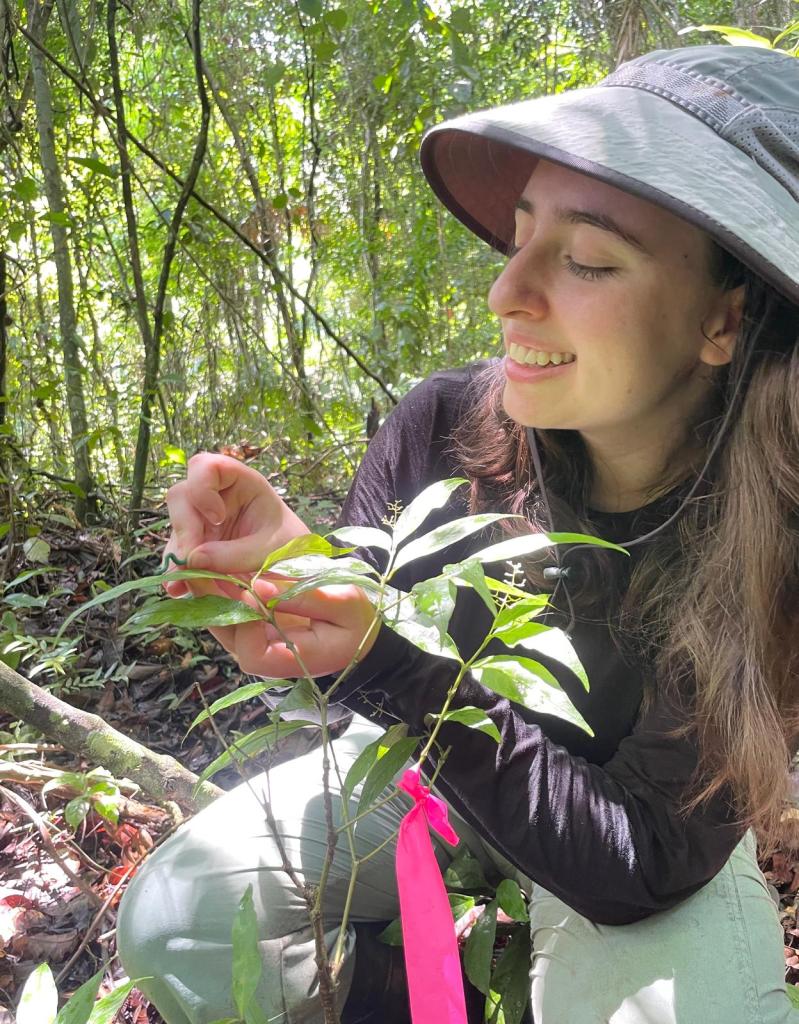
Tropical Resources Institute (TRI) Fellow
Yale School of the Environment & Smithsonian Tropical Research Institute (STRI) | Barro Colorado Island Research Station, Panamá Oeste, Panama
- Designed and conducted an eight-week experiment measuring predation of insect herbivores during the secondary succession of tropical rainforests in Panama.
- Technical skills: fieldwork, using model prey
- Supervisor: Anita Weissflog, PhD
- Principal Investigator: Liza Comita, PhD
Funding: Tropical Endowment Fellowship & Saybrook College Research Fellowship
January 2024:
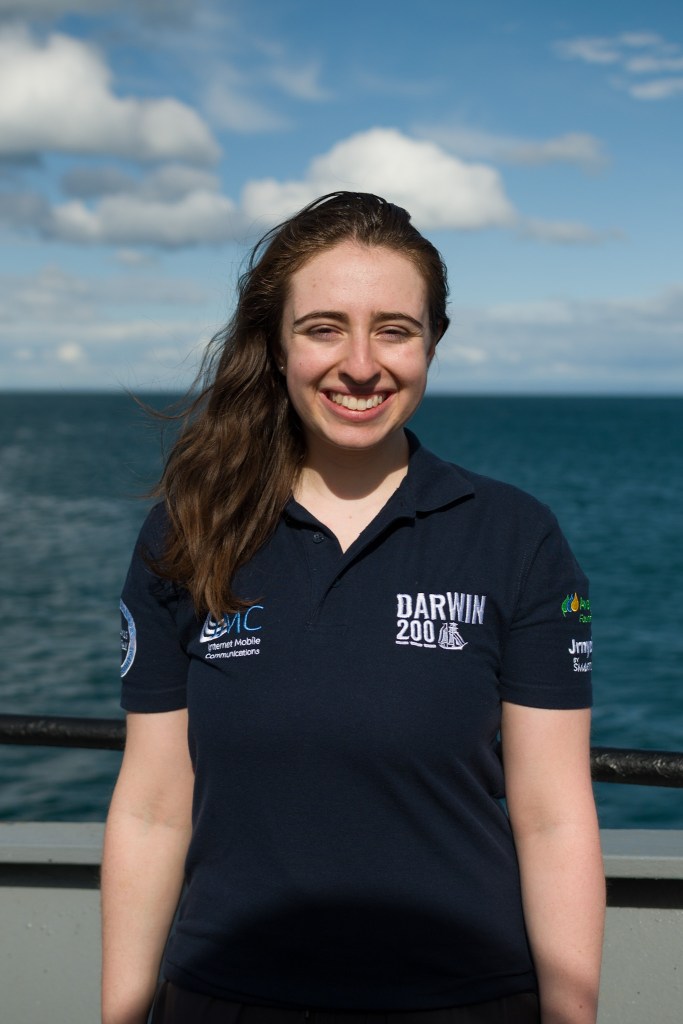
Darwin Leader
Darwin200 | Cape Horn International Center
Cape Horn Biosphere Reserve, Puerto Williams, Chile
- From January 17-25th, alongside fellow Darwin Leader Heather Needham, Karinne investigated threats to shorebirds in the Cape Horn Biosphere Reserve in collaboration with the Cape Horn International Center in Puerto Williams, Chile. As a buffer zone at the joining point of the Pacific, Midcontinent, and Atlantic flyways, the reserve serves as a vital refuge for both migratory and resident shorebirds. A significant decline in shorebird populations over the last 40 years signals an urgent need for new conservation initiatives.
- Chile’s recently released Shorebird Conservation Action Plan (SCAP) describes 12 central threats to shorebirds nationwide, including human disturbance and stray dogs. However, the prevalence and severity of these threats vary across the country’s landscape. This project represented the first coordinated effort to identify, categorize, and rank these 12 threats specifically within the reserve. She surveyed numerous areas to assess the presence, severity, and irreversibility for each threat. Her research culminated in a ranking of threats to shorebirds in the reserve. Drawing from comparison to the SCAP’s threat ranking and interviews with local researchers, government officials, and university students, she proposed new conservation strategies tailored to the needs of shorebirds in the region to guide future shorebird research and long-term monitoring. She directed three short films on the project.
- Technical Skills: transect survey, threat identification, calculation and analysis of threat reach, severity, and irreversibility
- Supervisors: Carlos Valeris, PhD & Juan Rivero, PhD
Coming Soon: Click through some scenes of the expedition, including a 32-hour ride on the Yaghan Ferry through the Beagle Channel, views of Punta Arenas, a one-night stay aboard the Dutch Tall Ship Oosterschelde, and a visit to the penguin colony on Isla Magdalena!
May-July 2023:
First-Year Research Fellow & Ingalls Field Ecology Intern
Yale School of the Environment | Yale-Myers Forest, Eastford, CT
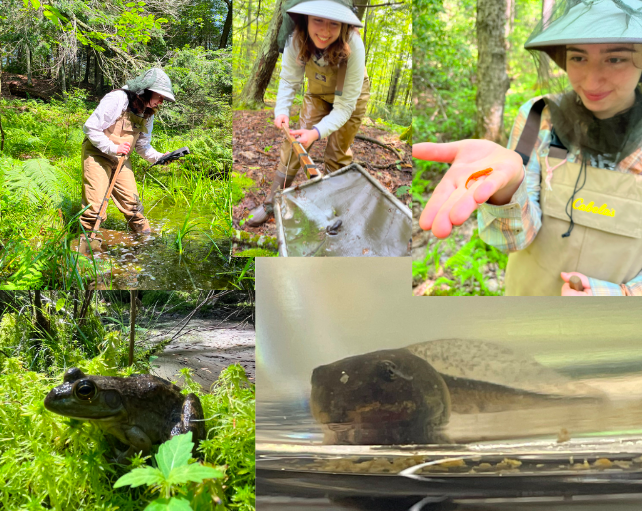
- Through the Yale College First-Year Summer Research Fellowship in the Sciences & Engineering and Yale School of the Environment Louise H. and David S. Ingalls Field Ecology Program, Karinne conducted ten weeks of field research exploring the drivers of Ranavirus outbreaks in a Wood Frog (Rana sylvatica) metapopulation at the Yale-Myers Forest. She participated in conducting 120 vernal pond surveys and collecting and cataloging more than 2,100 tadpoles for the Yale Peabody Museum of Natural History. She also attended workshops focused on analyzing and discussing scientific papers as well as lectures on soils, birds, plant identification, invasive Asian jumping worms, forest regeneration, beech leaf disease, and the benefits of silvopasture.
- Wood frogs (Rana sylvatica) are among the most widely distributed amphibians in the United States and represent one of the species most at risk of contracting the deadly Ranavirus (Rv). Due to a lack of long-term field studies, underlying processes promoting the spread of this disease are unknown. The team’s primary objectives were elucidating environmental factors associated with outbreaks of Rv infection. Karinne also conducted a five-week in-lab experiment investigating the effect of low levels of dissolved oxygen on the infectivity and virulence of Rv die-offs in vernal ponds. The project may lead to a better understanding of the factors that trigger and propel MMEs, which may have implications for the aquaculture industry.
- Technical Skills: experimental design, proposal writing, fieldwork (amphibian identification (Wood Frog, Green Frog, Marbled Salamanders, Spotted Salamanders, and Eastern Newts)), vernal pond surveying, dip-net surveys, determining water quality using a multiparameter meter (i.e., pH, salinity, dissolved oxygen, conductivity, total dissolved solids, temperature, atmospheric pressure)), and lab work (environmental DNA collection, tadpole dissection, and tissue lysis)
- Mentor: Logan Billet, fourth-year PhD student
- Principal Investigator: David K. Skelly, PhD
Funding: Yale College First-Year Summer Research Fellowship in the Sciences & Engineering, Yale School of the Environment Louise H. and David S. Ingalls Field Ecology Program
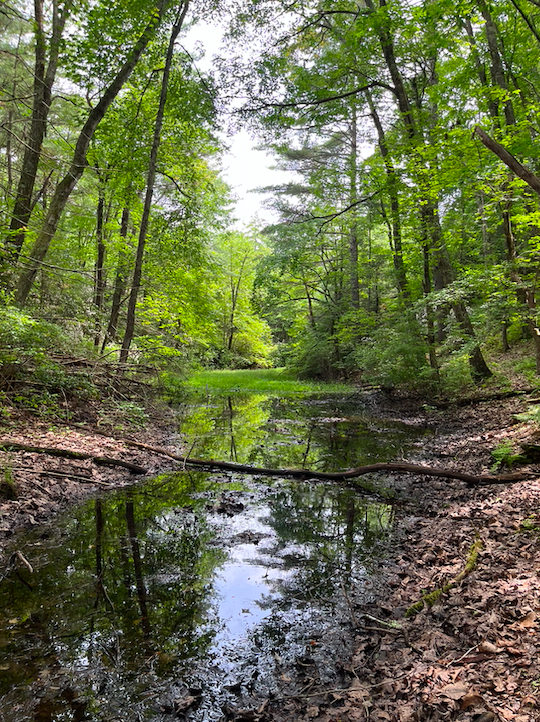
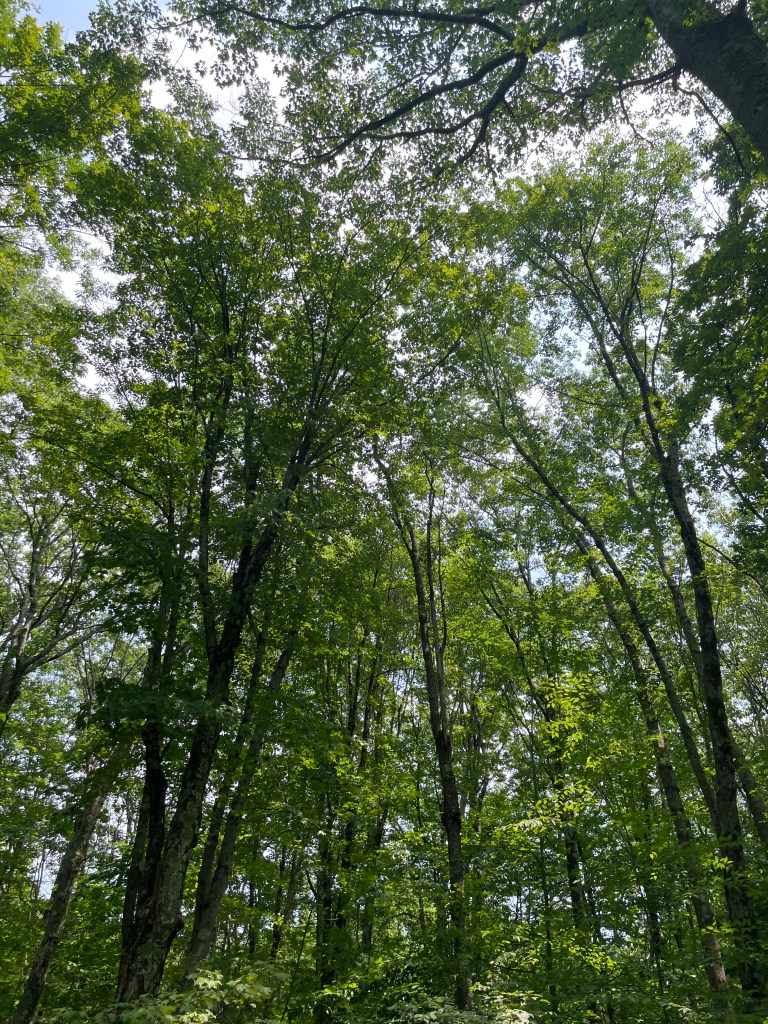
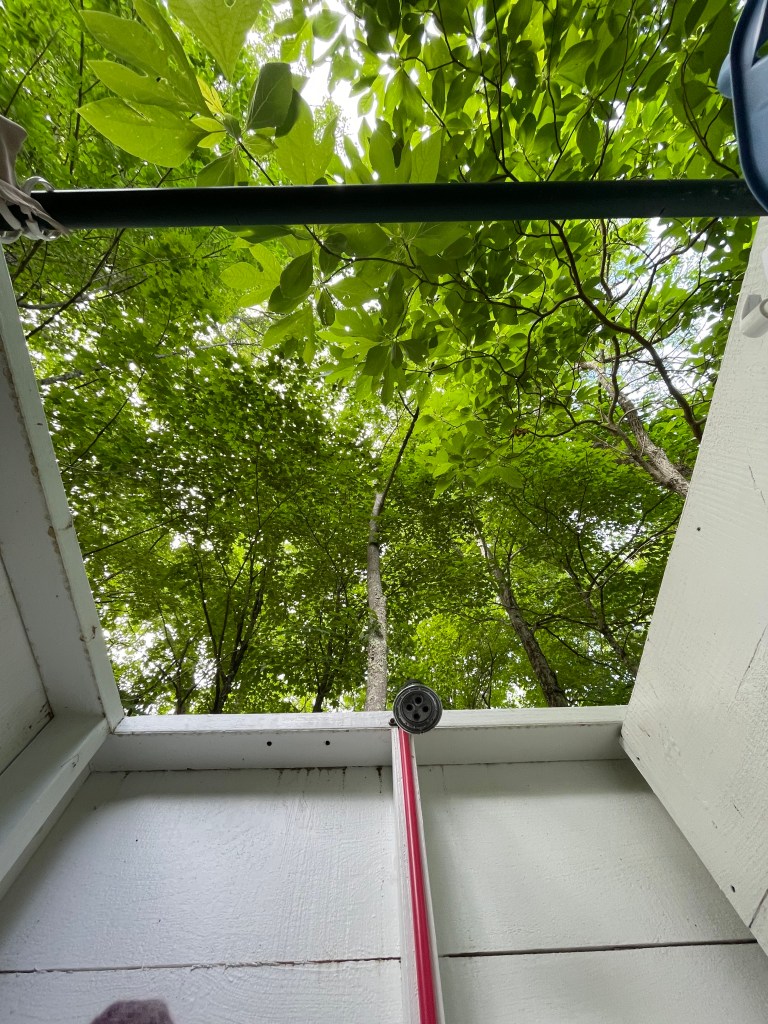
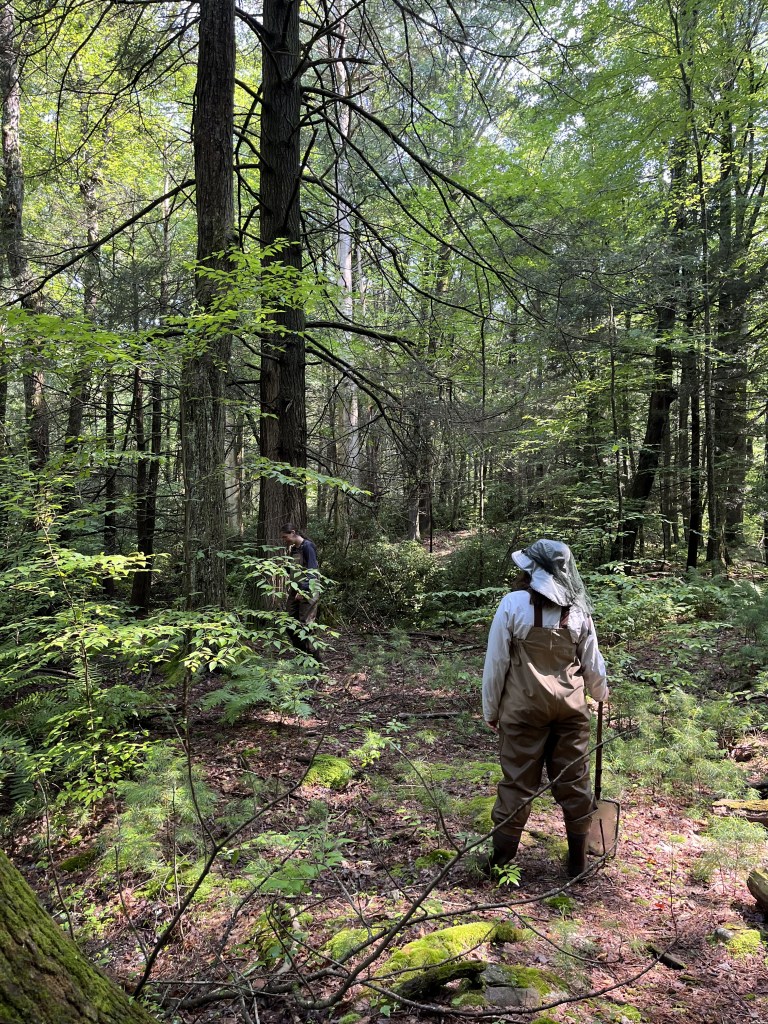
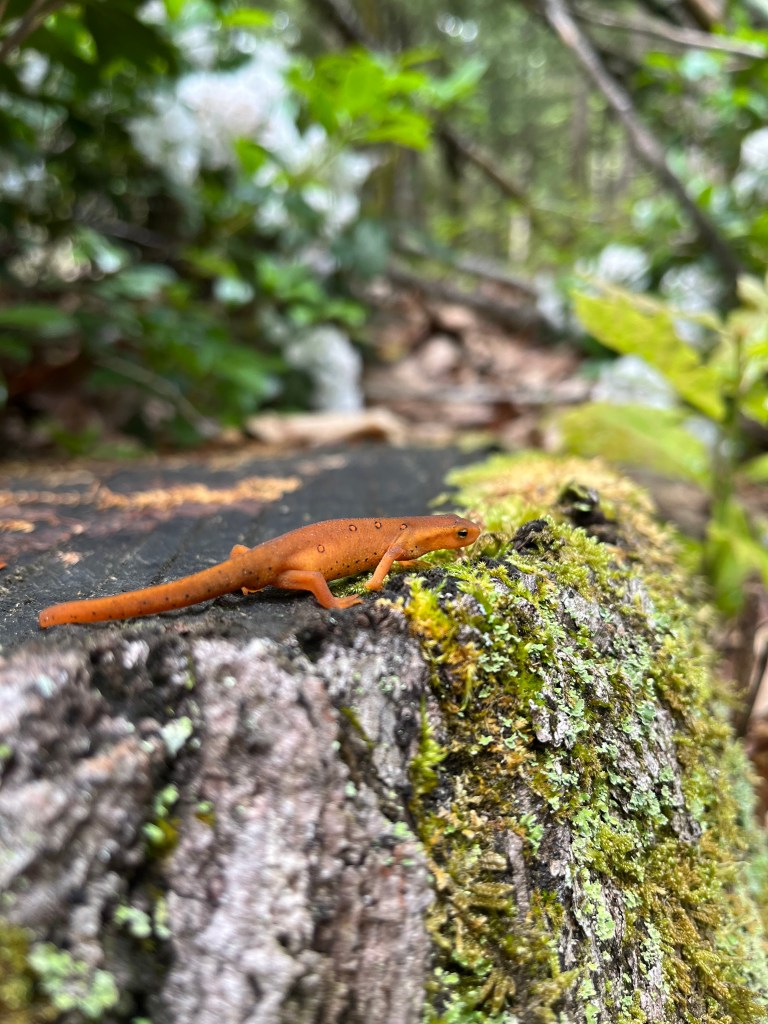



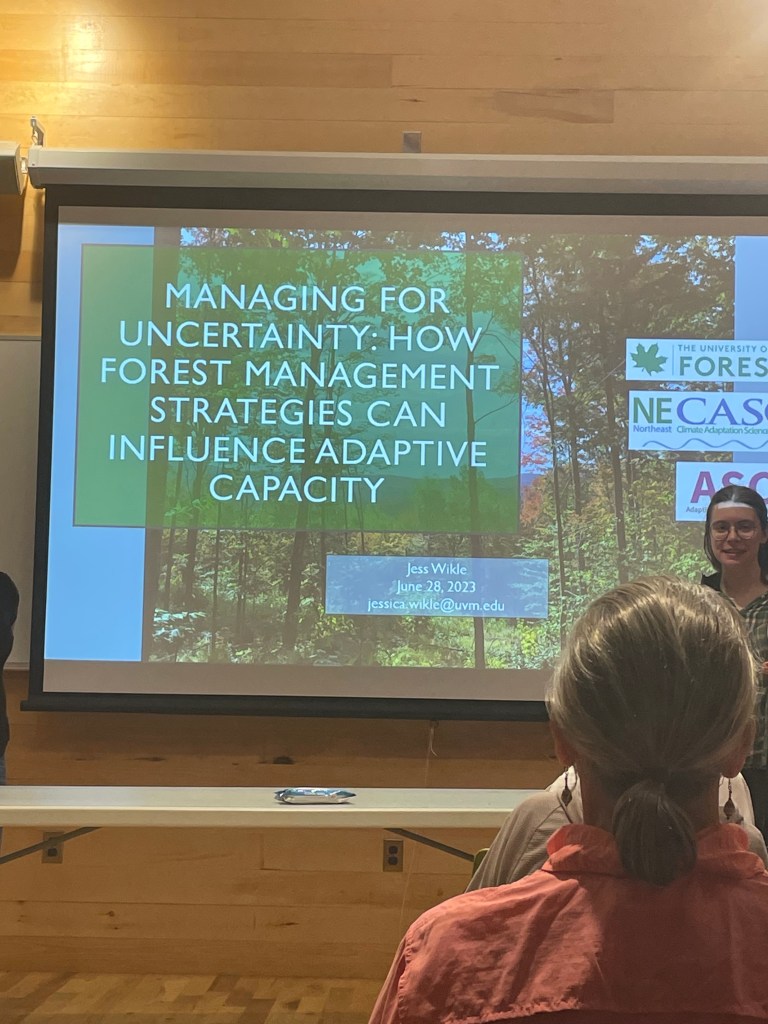

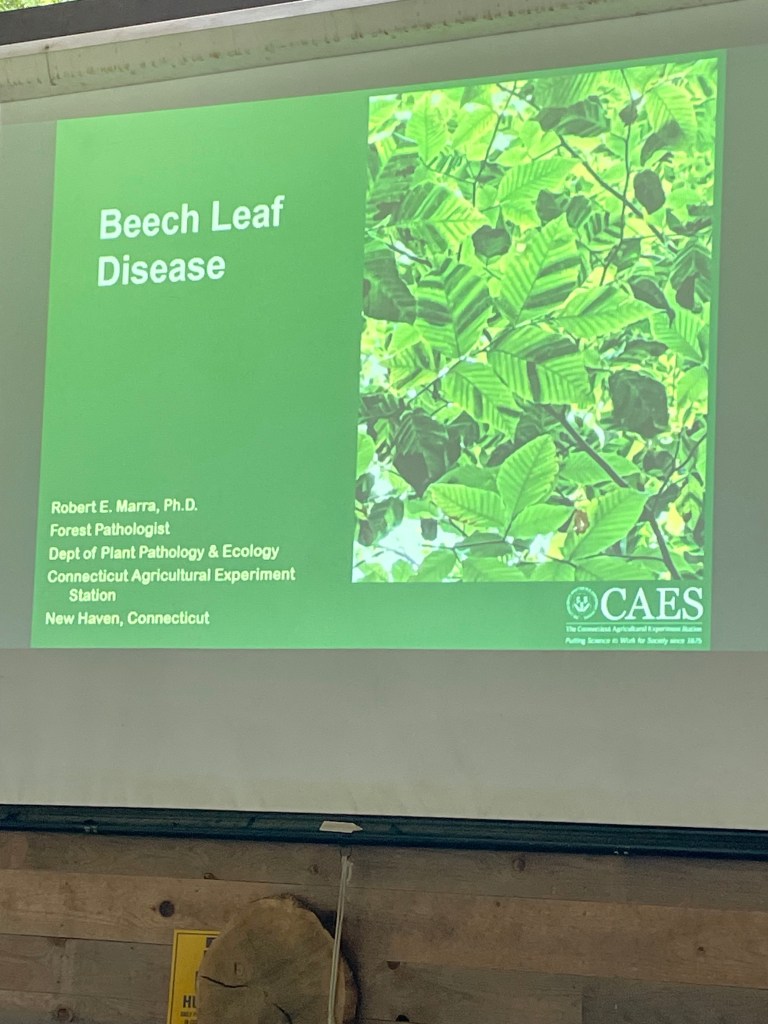
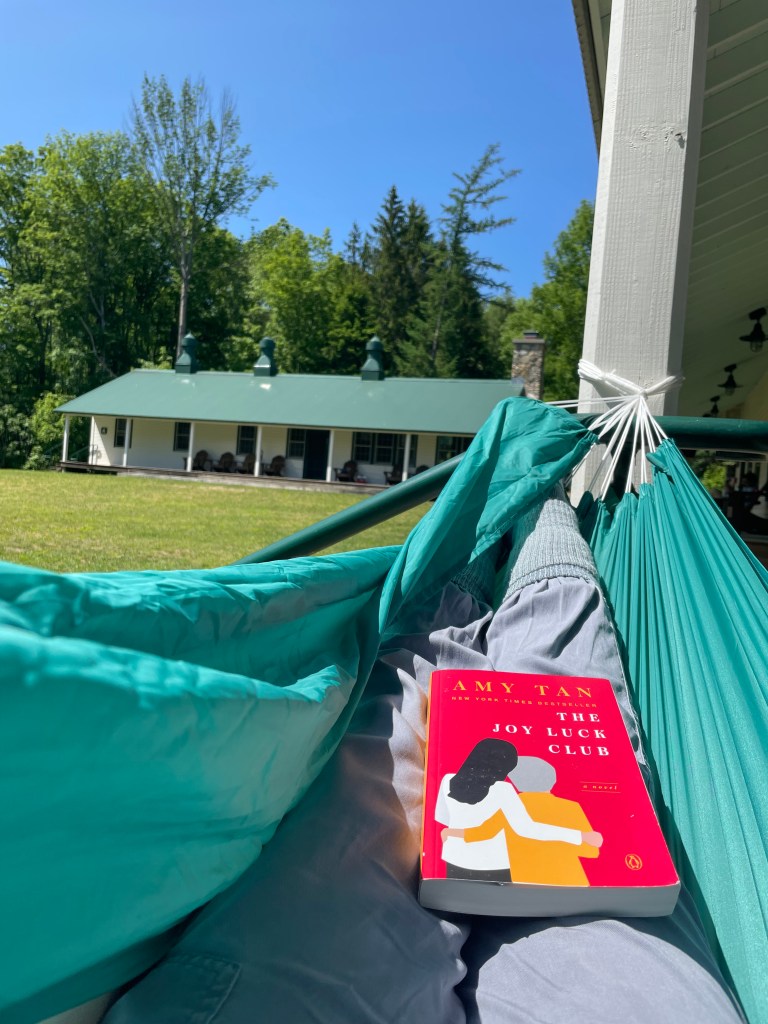
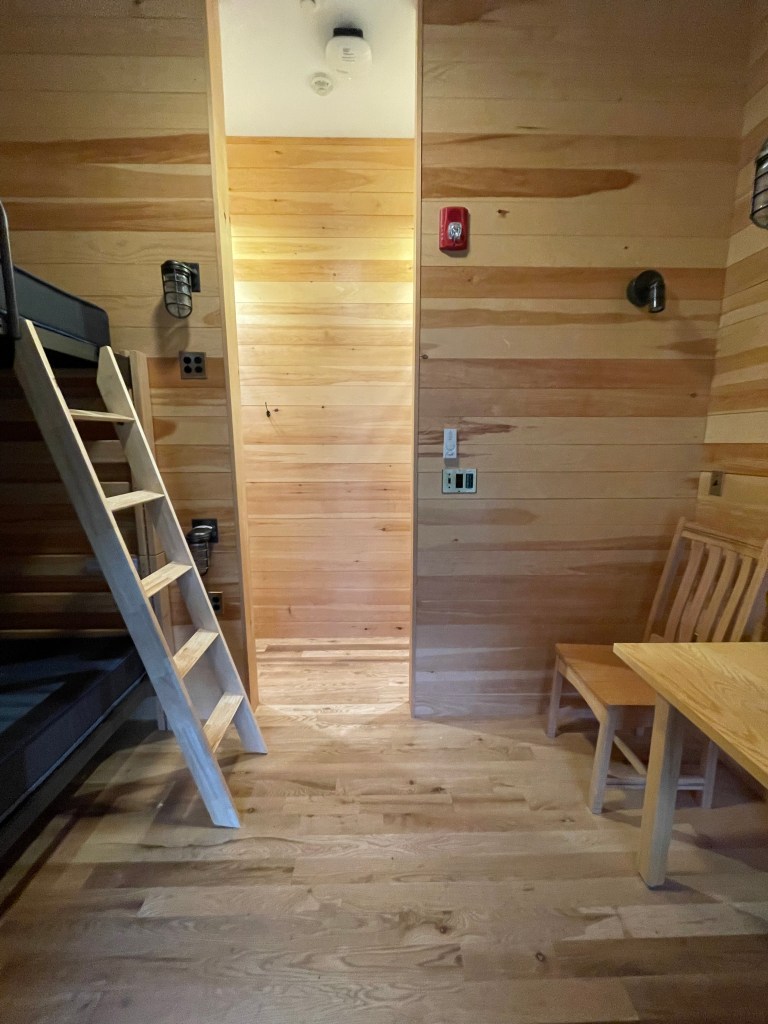
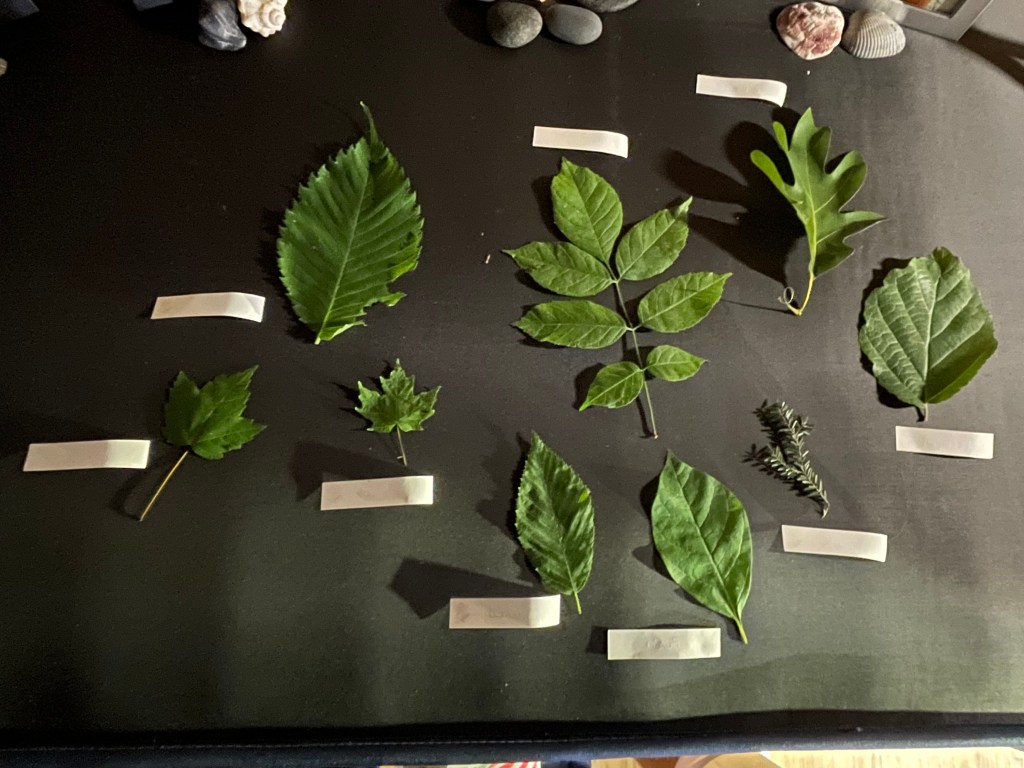

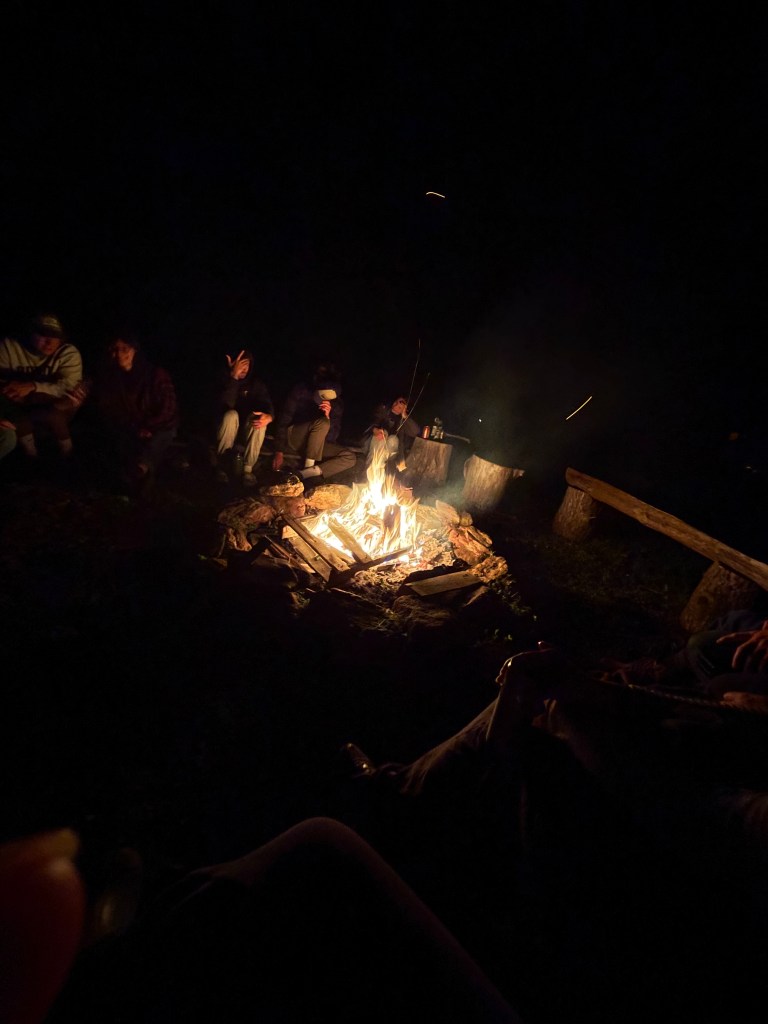
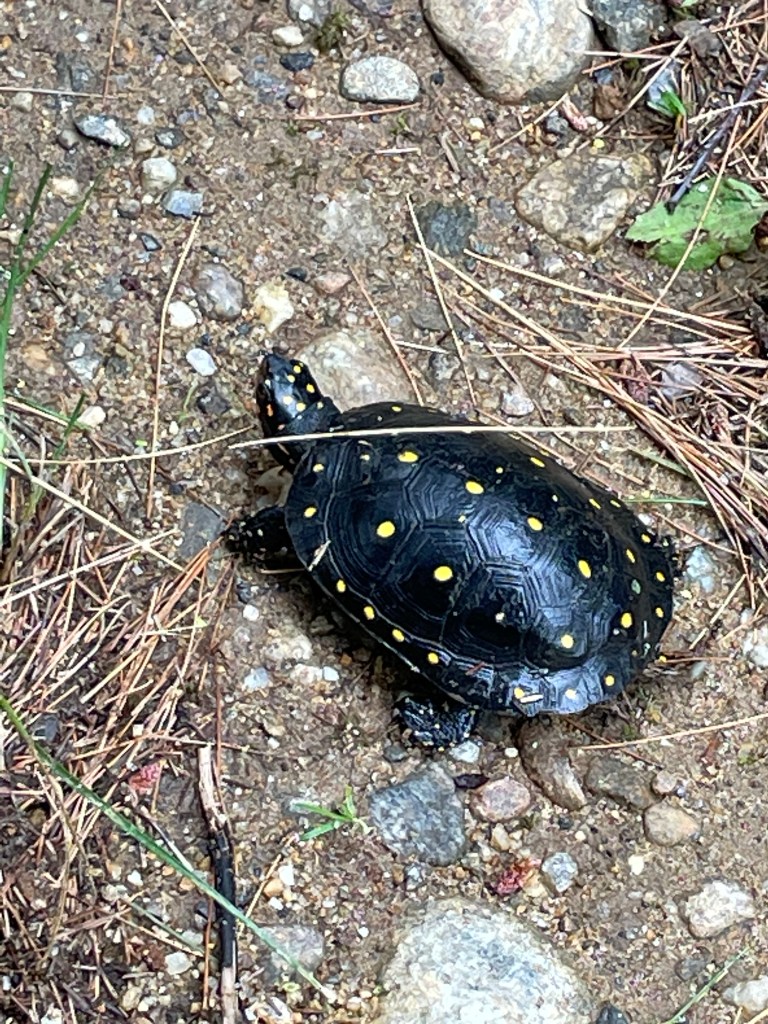
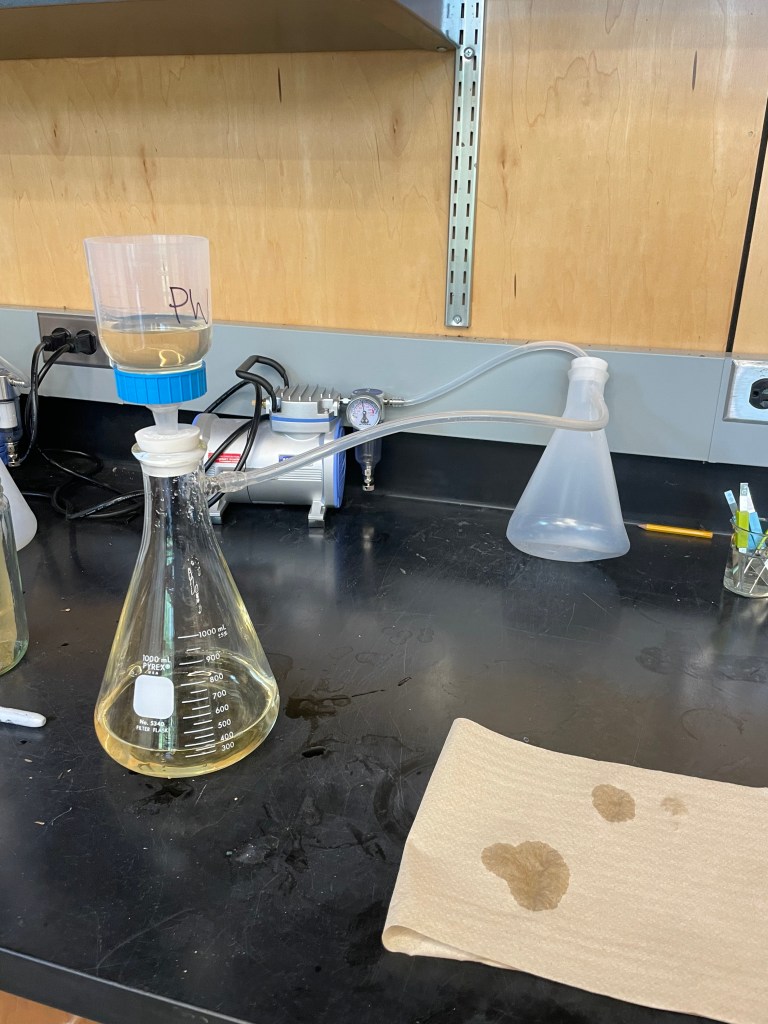
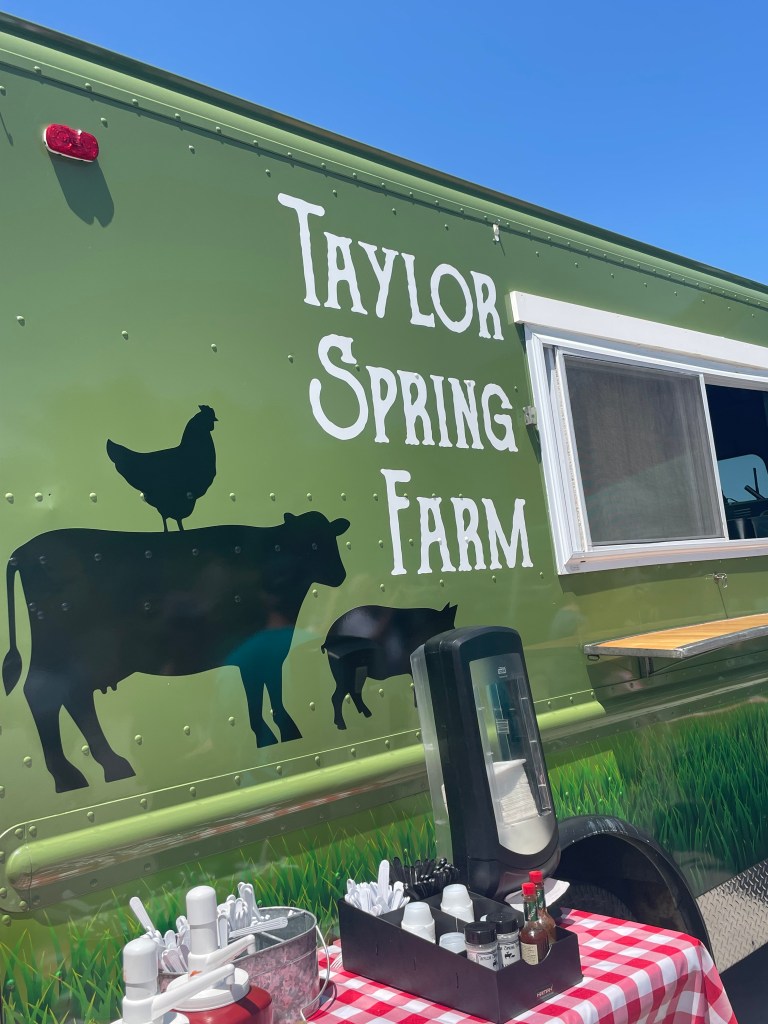
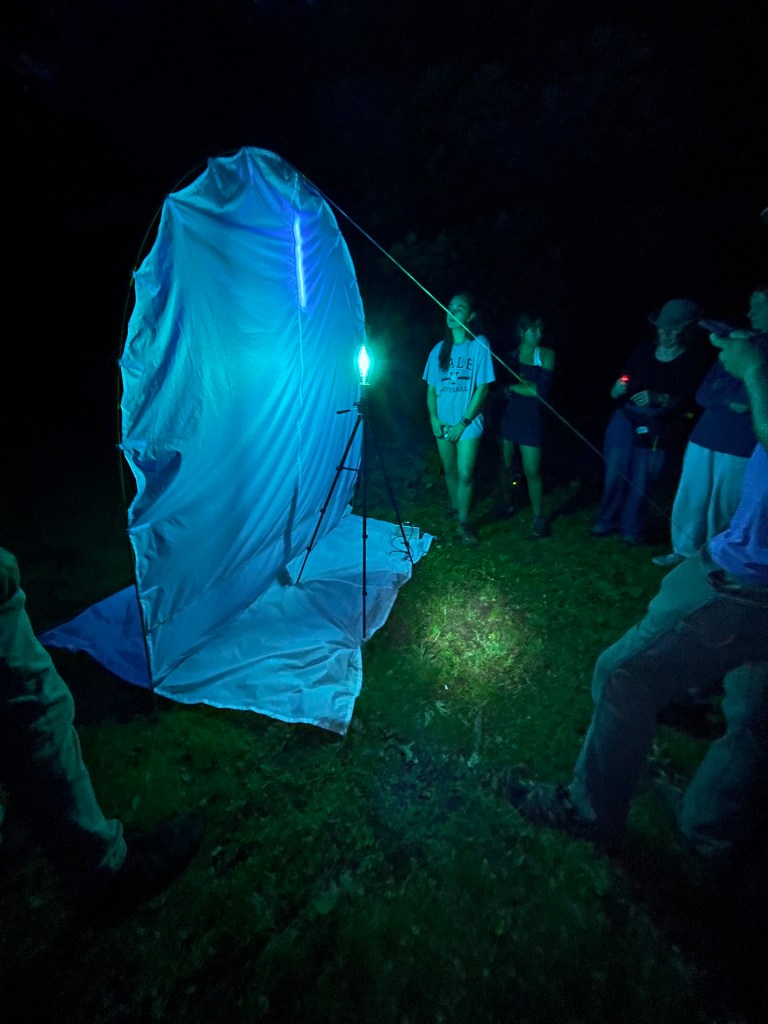
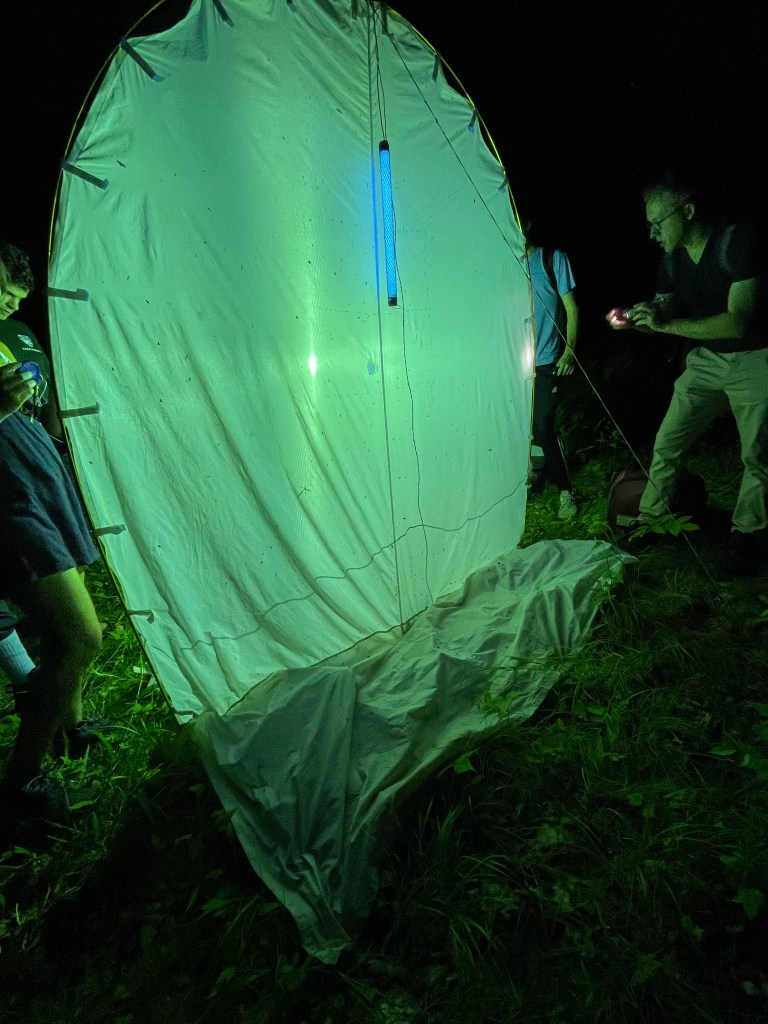
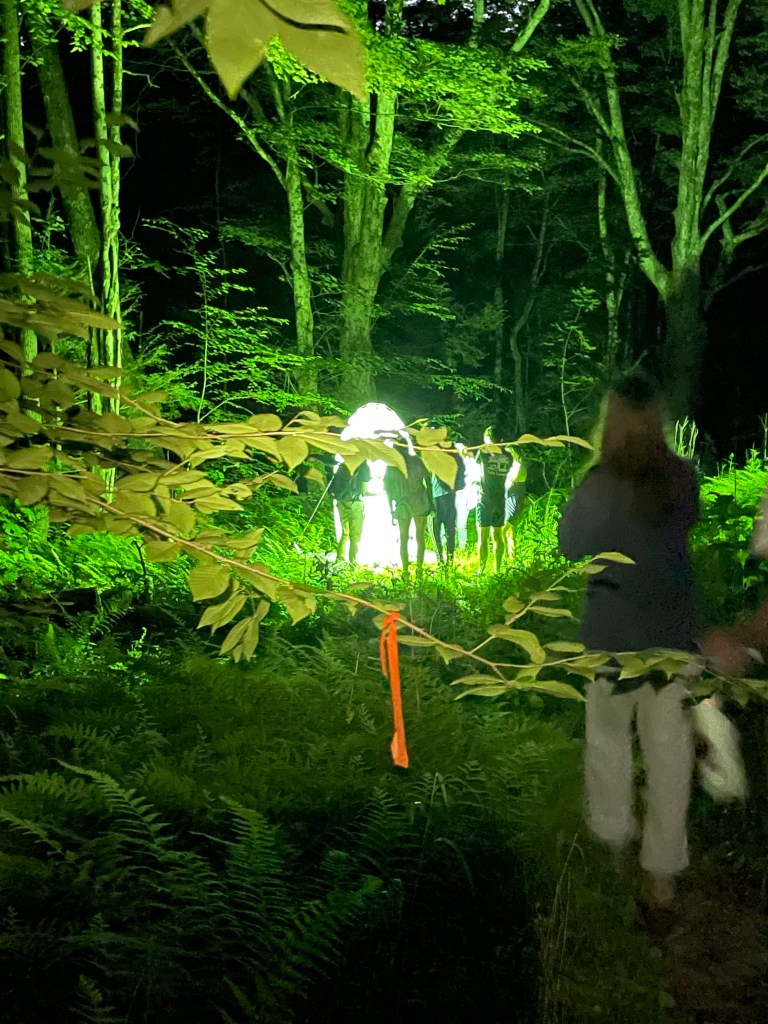
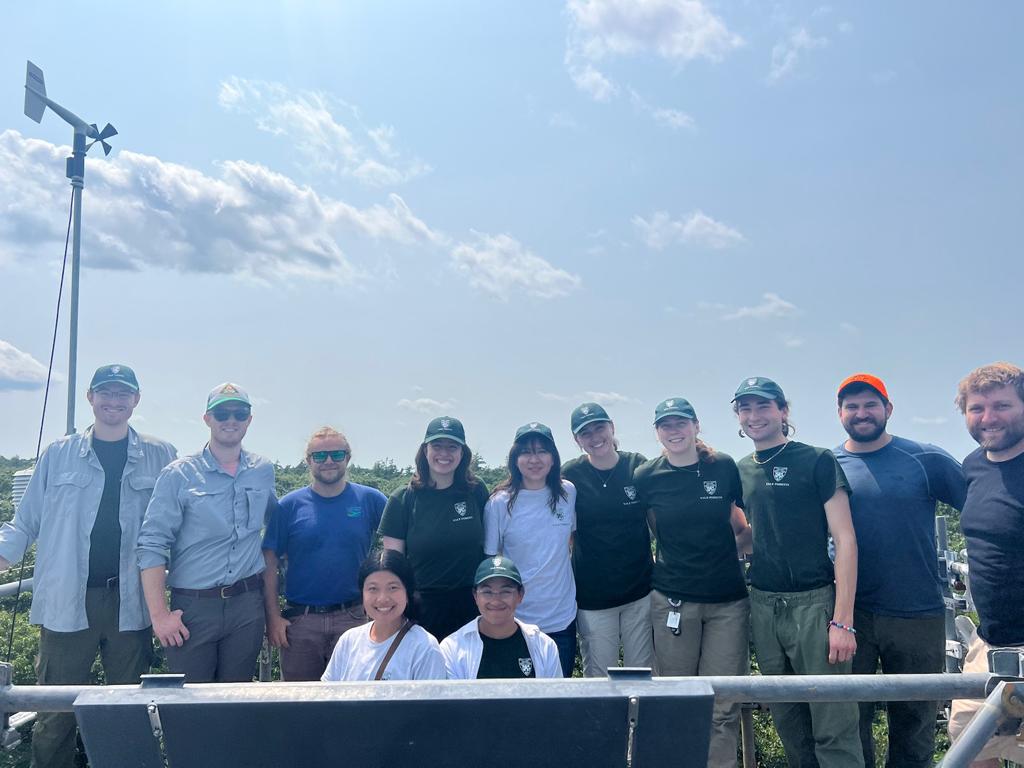
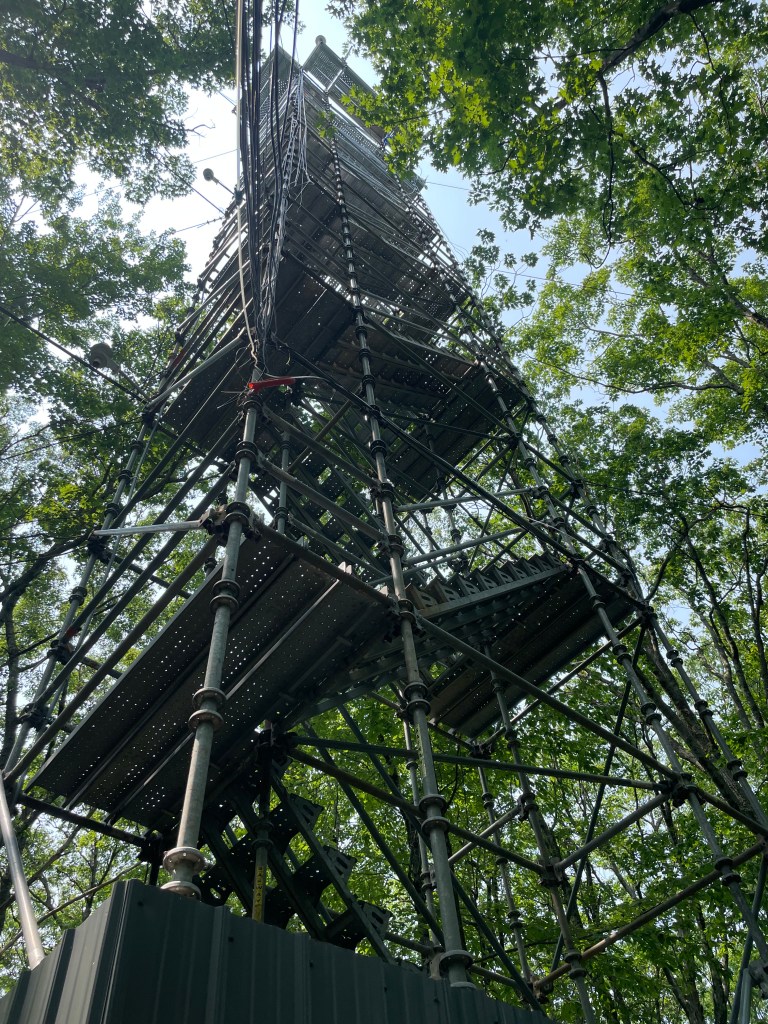
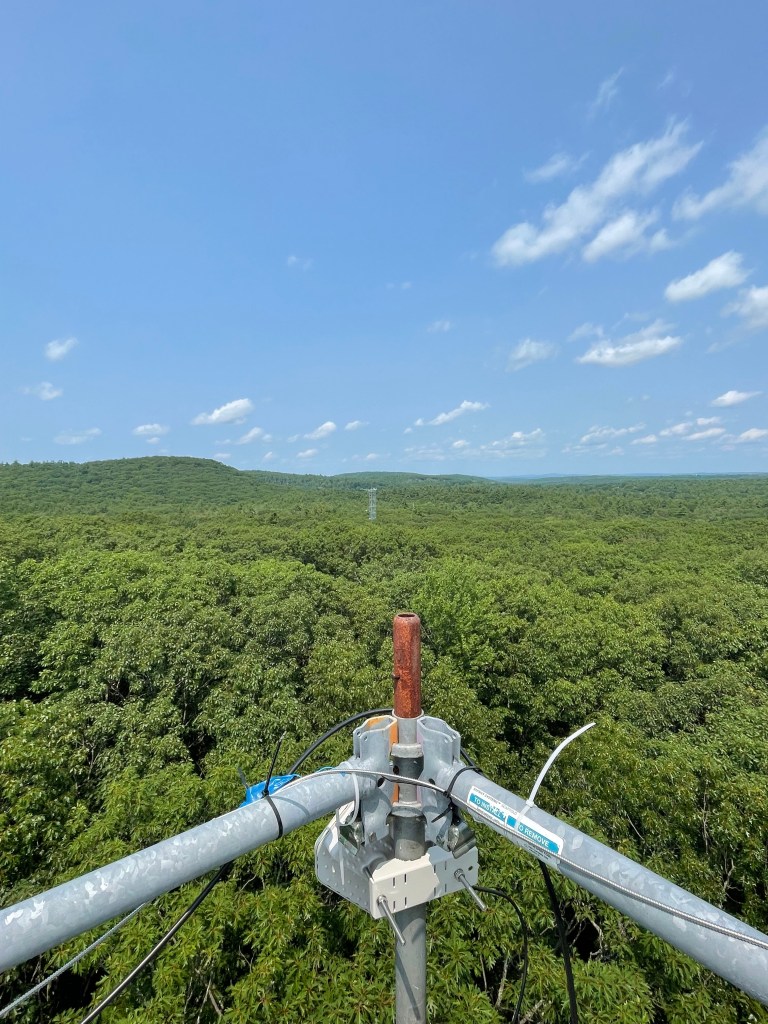
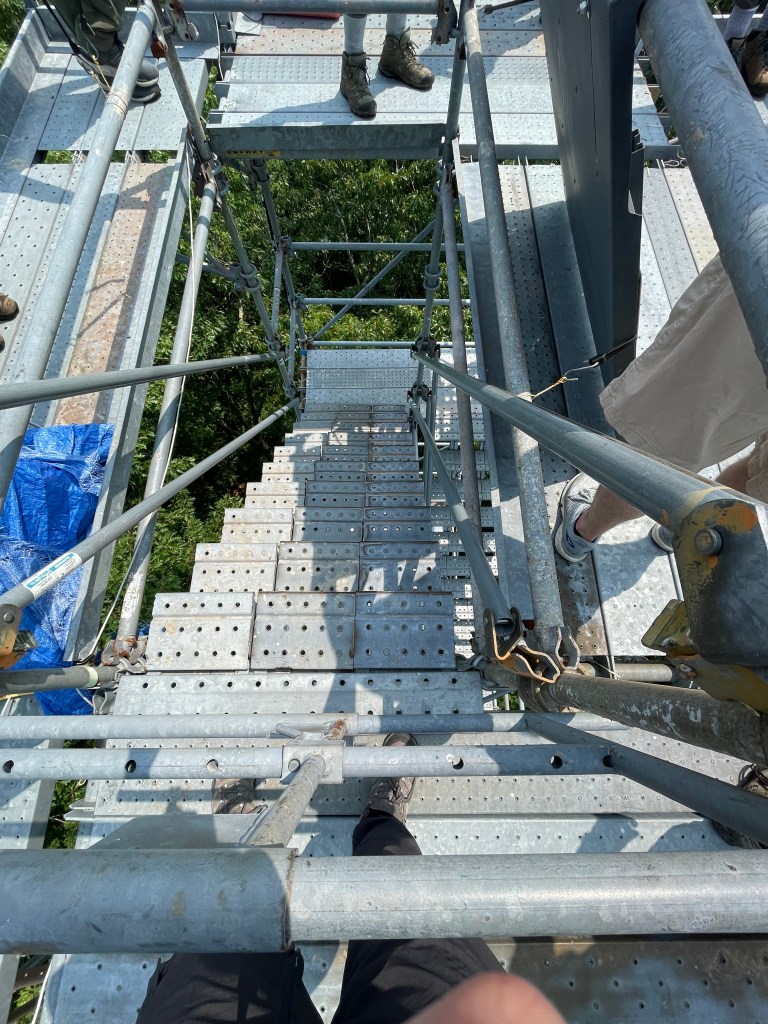
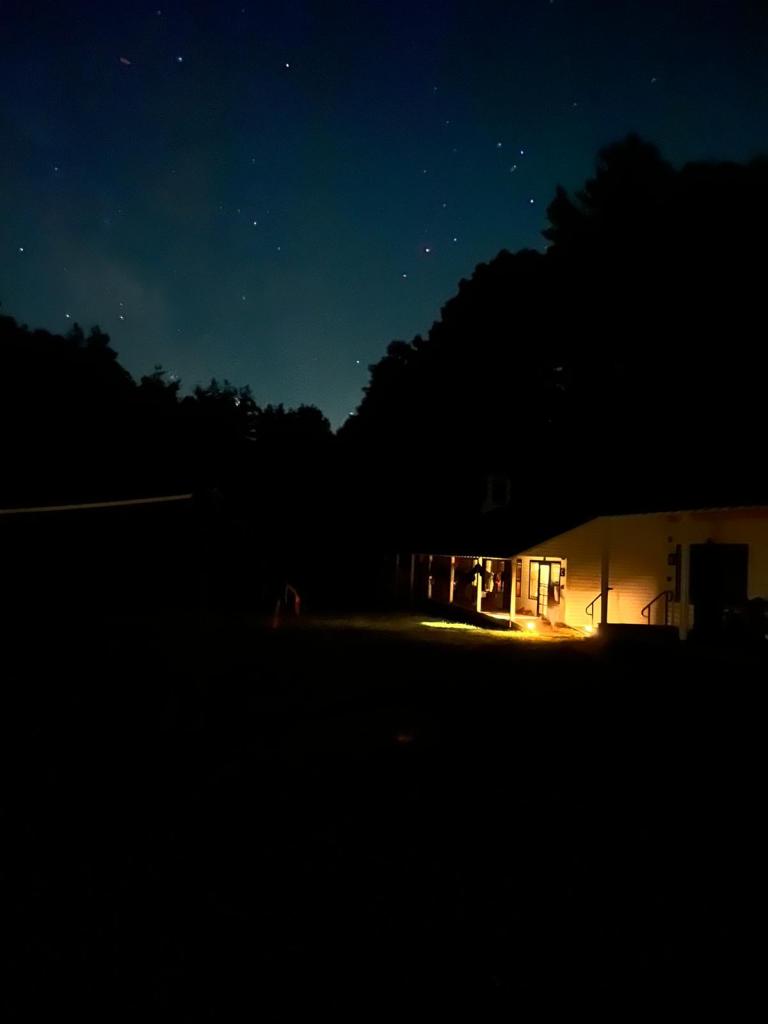
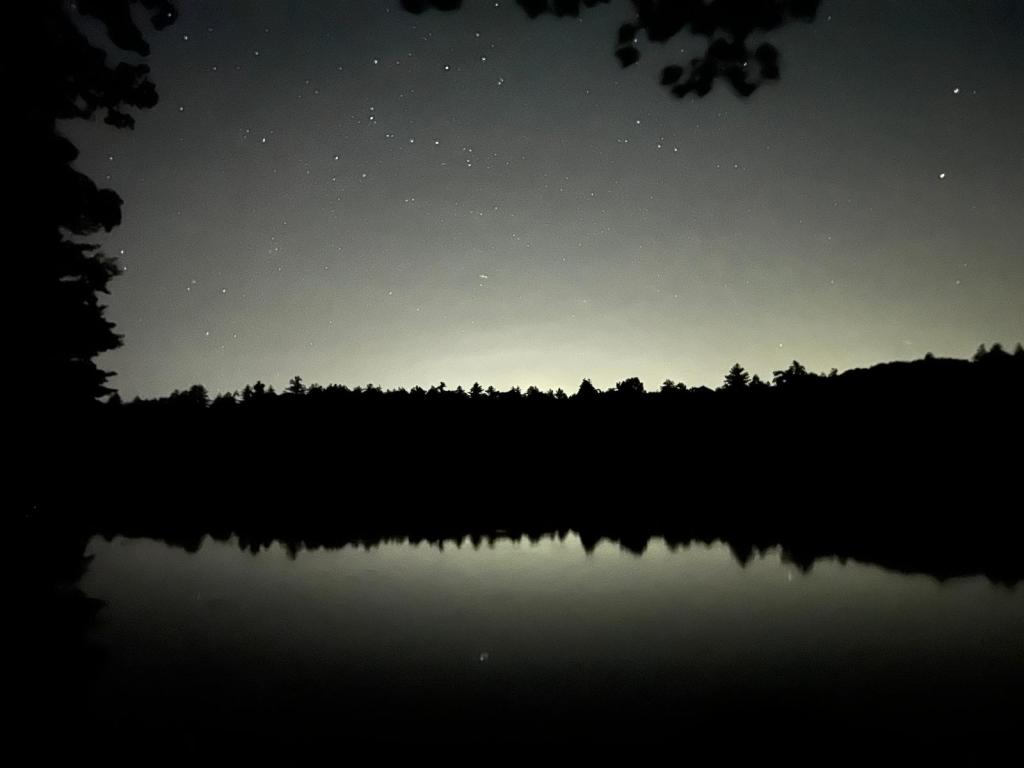
Click through some scenes of the forest, including a trip to Harvard, summer seminars, and bug night with Prof. Marta Wells!
February-December 2023:
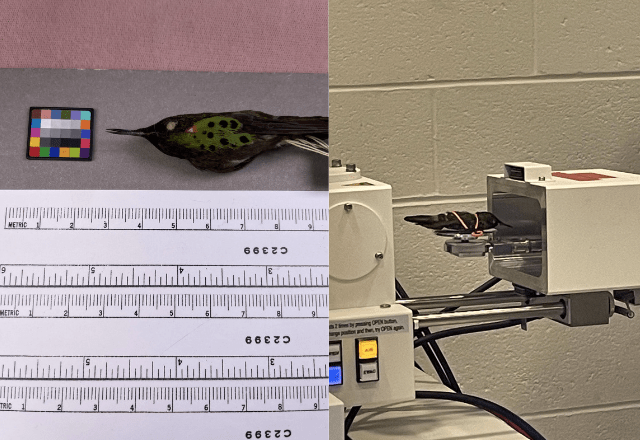
Undergraduate Researcher
Dept. of Ecology & Evolutionary Biology | Yale University
- Scanning electron microscopy analysis of structural colors in the plumage of the Lophornis pavoninus (Peacock Coquette) hummingbird
- Technical skills: scanning electron microscopy and ImageJ
- Principal Investigator: Richard O. Prum, PhD
September 2022-present:
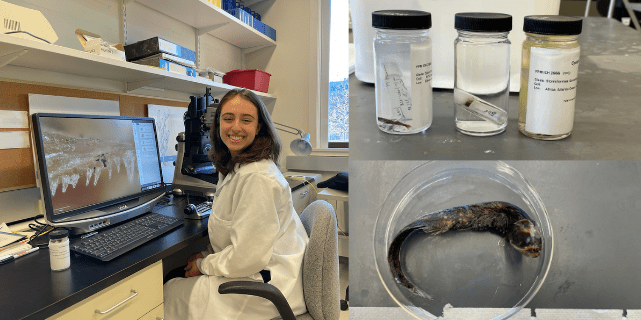
Undergraduate Researcher
Dept. of Earth & Planetary Sciences | Yale University
- Investigate whether tooth morphology can contribute to microfossil fish teeth classification and support the timing of Cyclothone evolution.
- Technical skills: high-resolution digital imaging microscopy and microfossil classification
- Mentor: Elizabeth Sibert, PhD
- Principal Investigator: Pincelli Hull, PhD
July-August 2022:
Biological Science Aid
University of Michigan & Ann Arbor Veterans Association Medical Center
- Reports of respiratory symptoms from soldiers returning from the Gulf War and post-9/11 conflicts in Southwest Asia are increasing. Yet, the cause of lung injury in soldiers diagnosed with deployment-related respiratory disease (DRRD) remains unknown. There are concerns that deployment-related exposures, such as burn pit smoke, may play a role in injury.
- Identifying therapies for deployment-related respiratory disease (DRRD)
- Technical Skills: lab work (handling and genotyping transgenic mice, immunofluorescence, hydroxyproline assay, gel electrophoresis) and morphometric analysis of tissue sections using ImageJ
- Principal Investigator: John Osterholzer, MD
Jun-Aug 2021
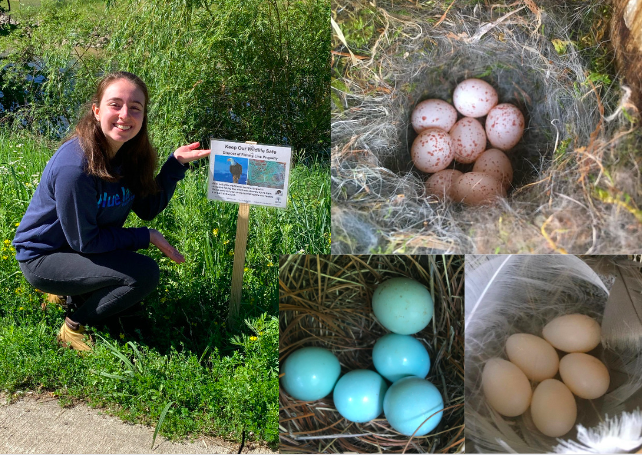
Field Intern
Natural Area Preservation (NAP) | Ann Arbor, MI
- Surveyed breeding bird populations in Ann Arbor city parks and submitted eBird checklists
- Technical Skills: fieldwork (point counts, general surveys, and aural and visual bird identification) and public engagement
- Mentor: Juliet Berger (Ann Arbor Ornithologist & President of the Washtenaw Audubon Society)
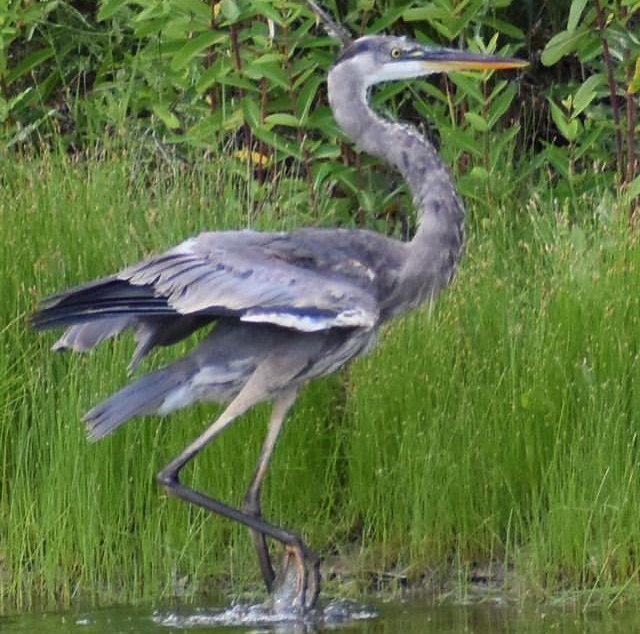
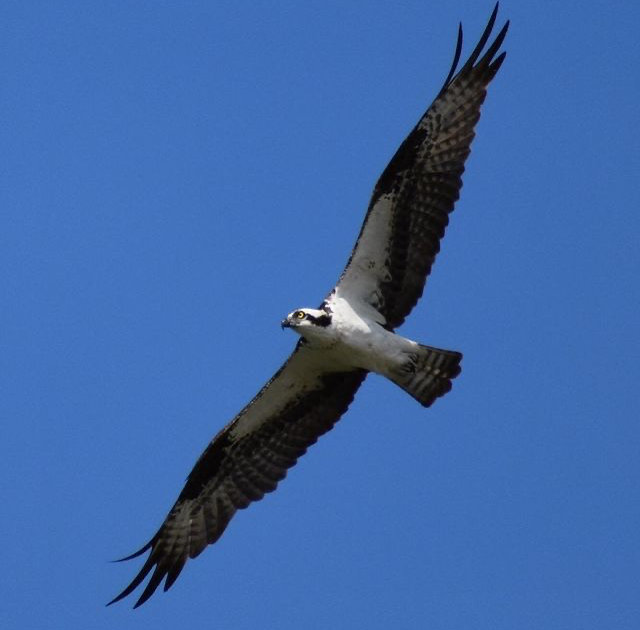
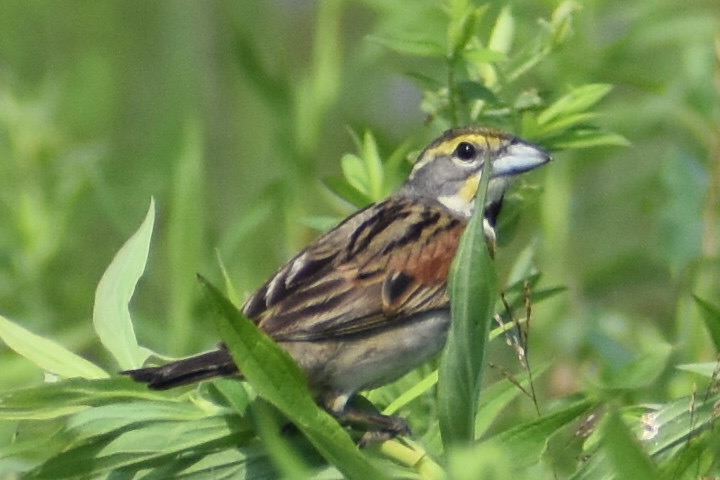
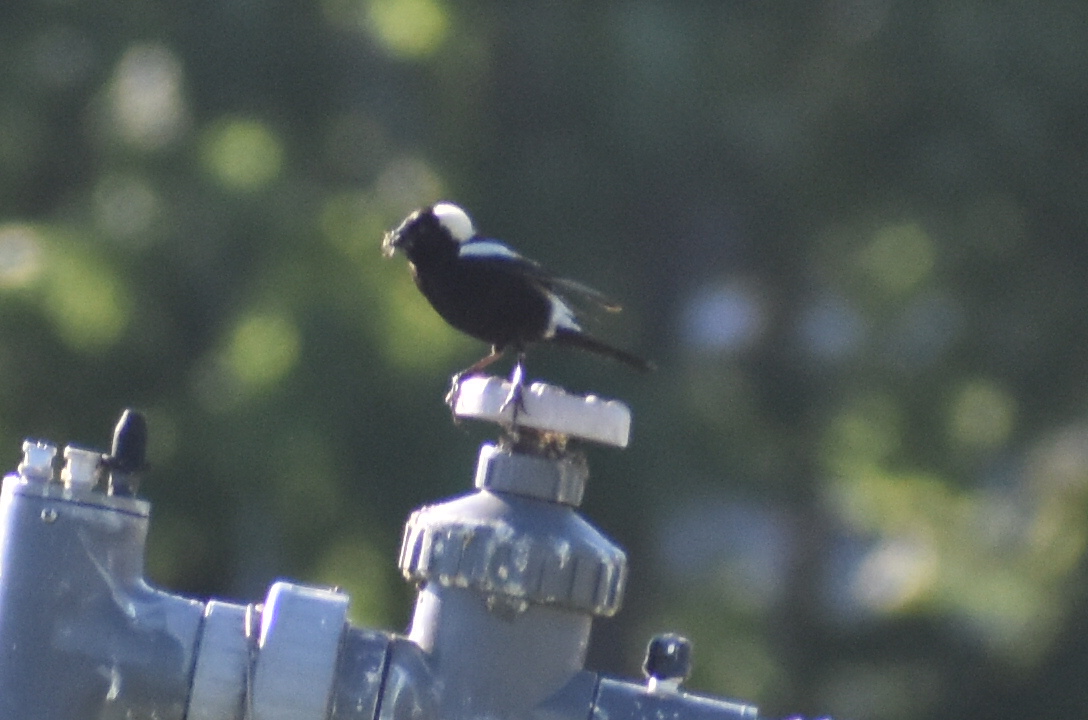
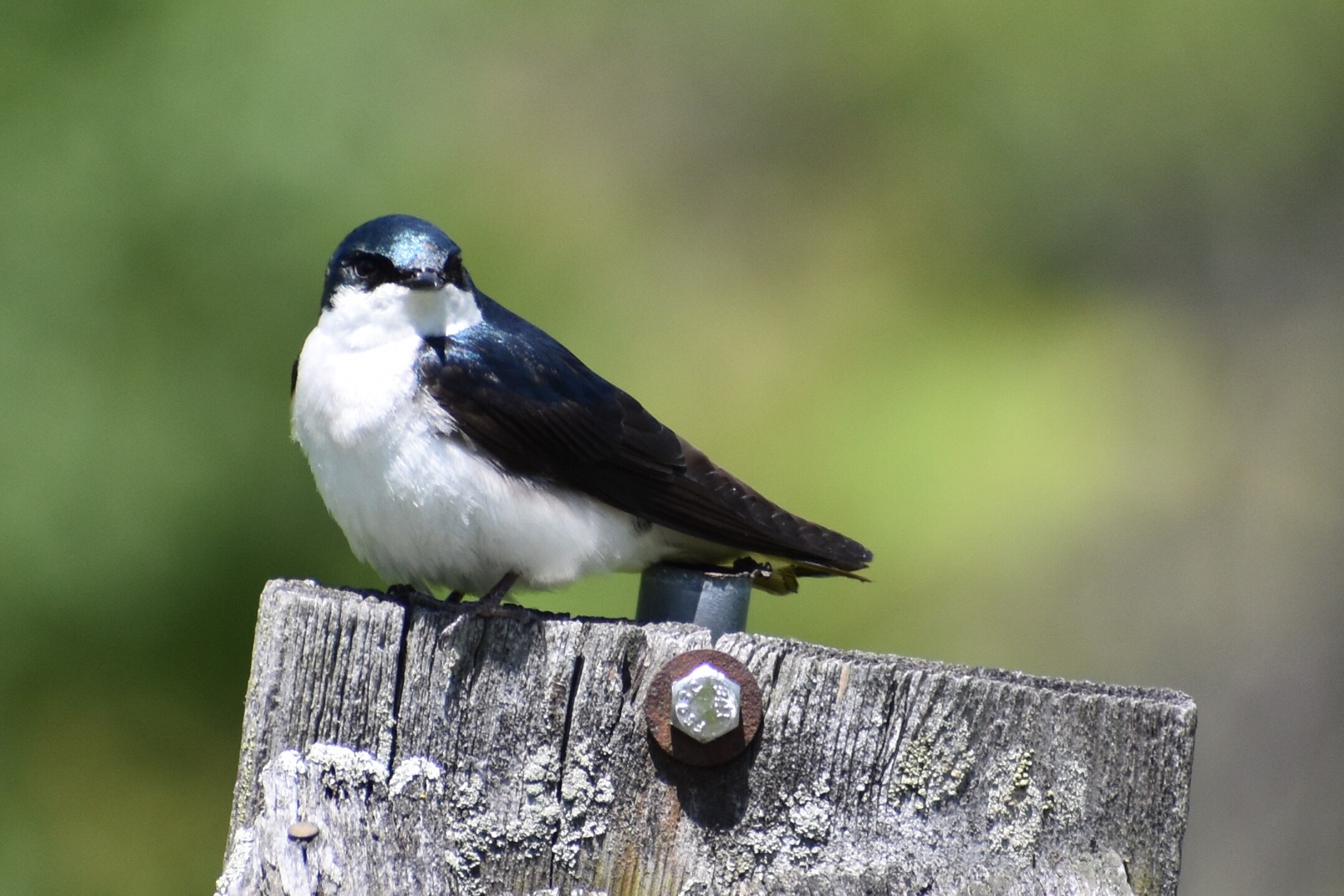

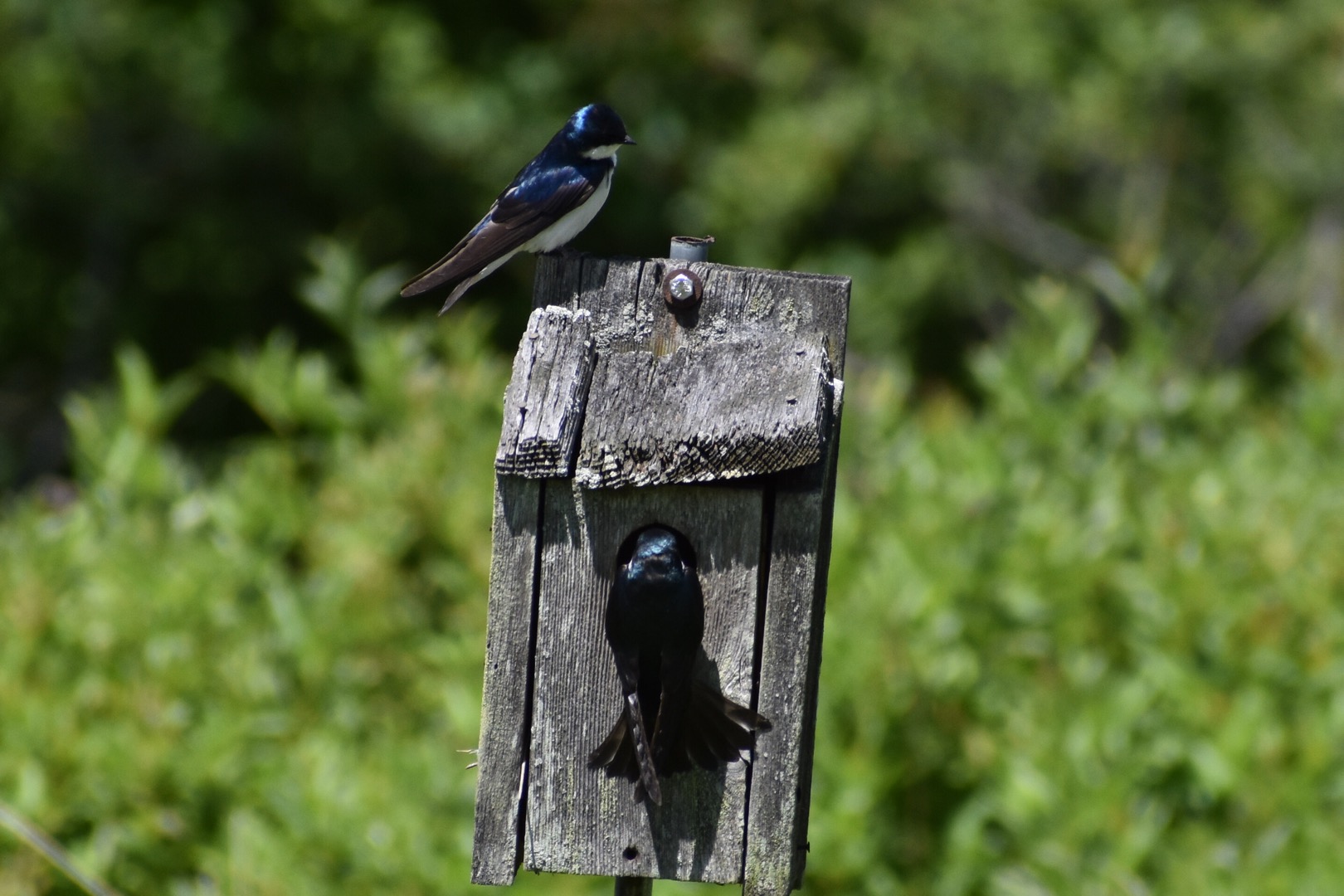
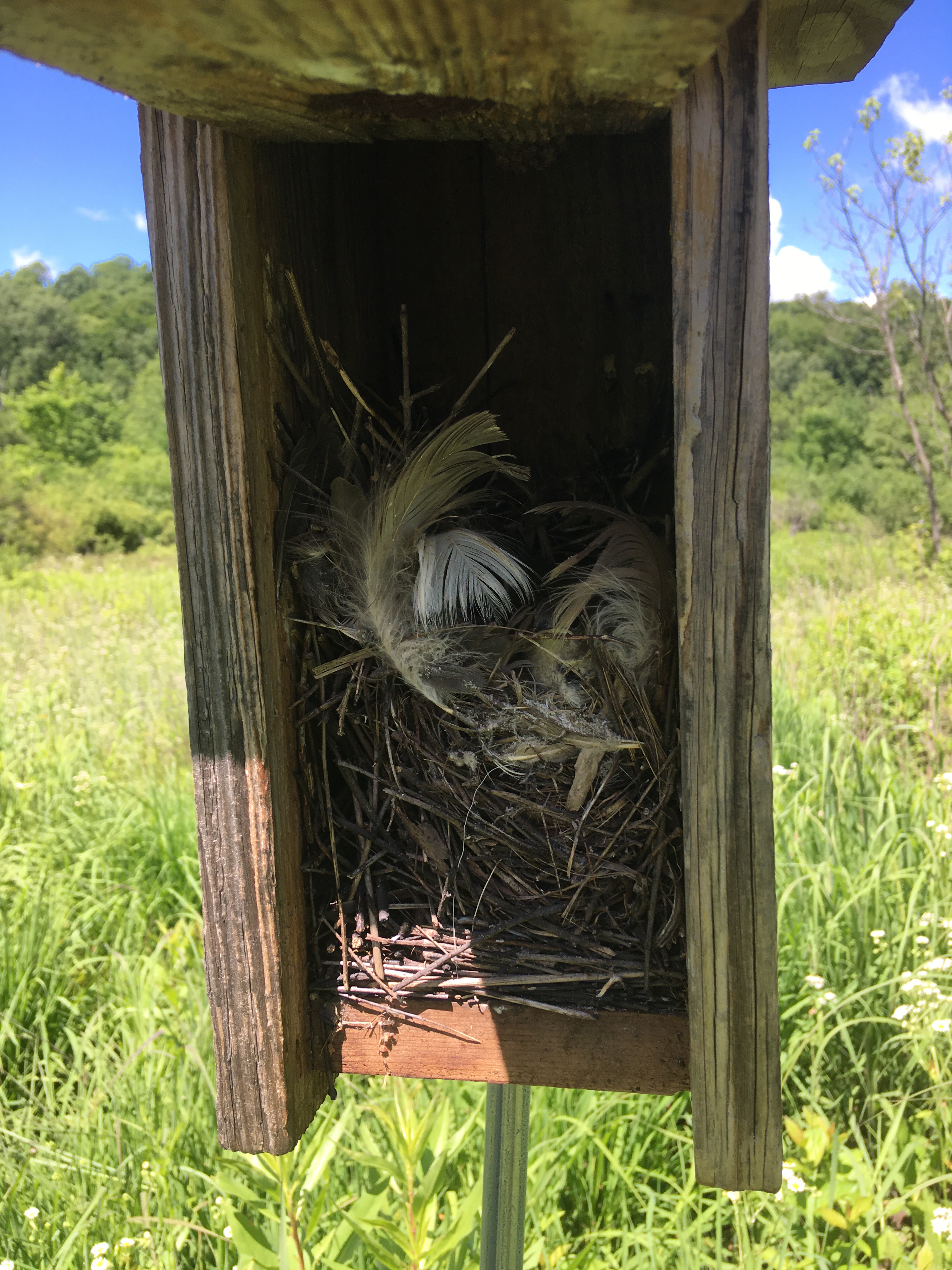
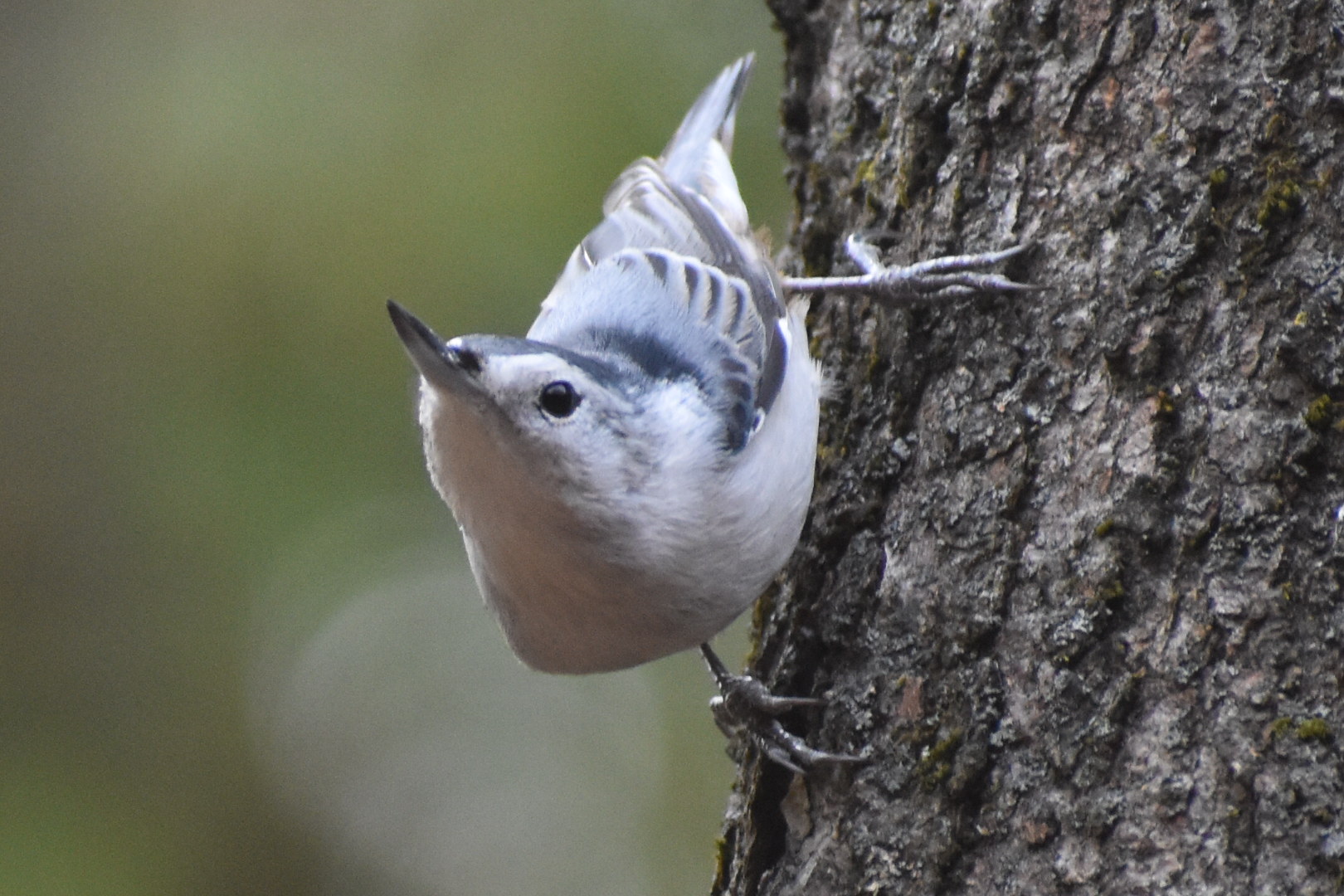
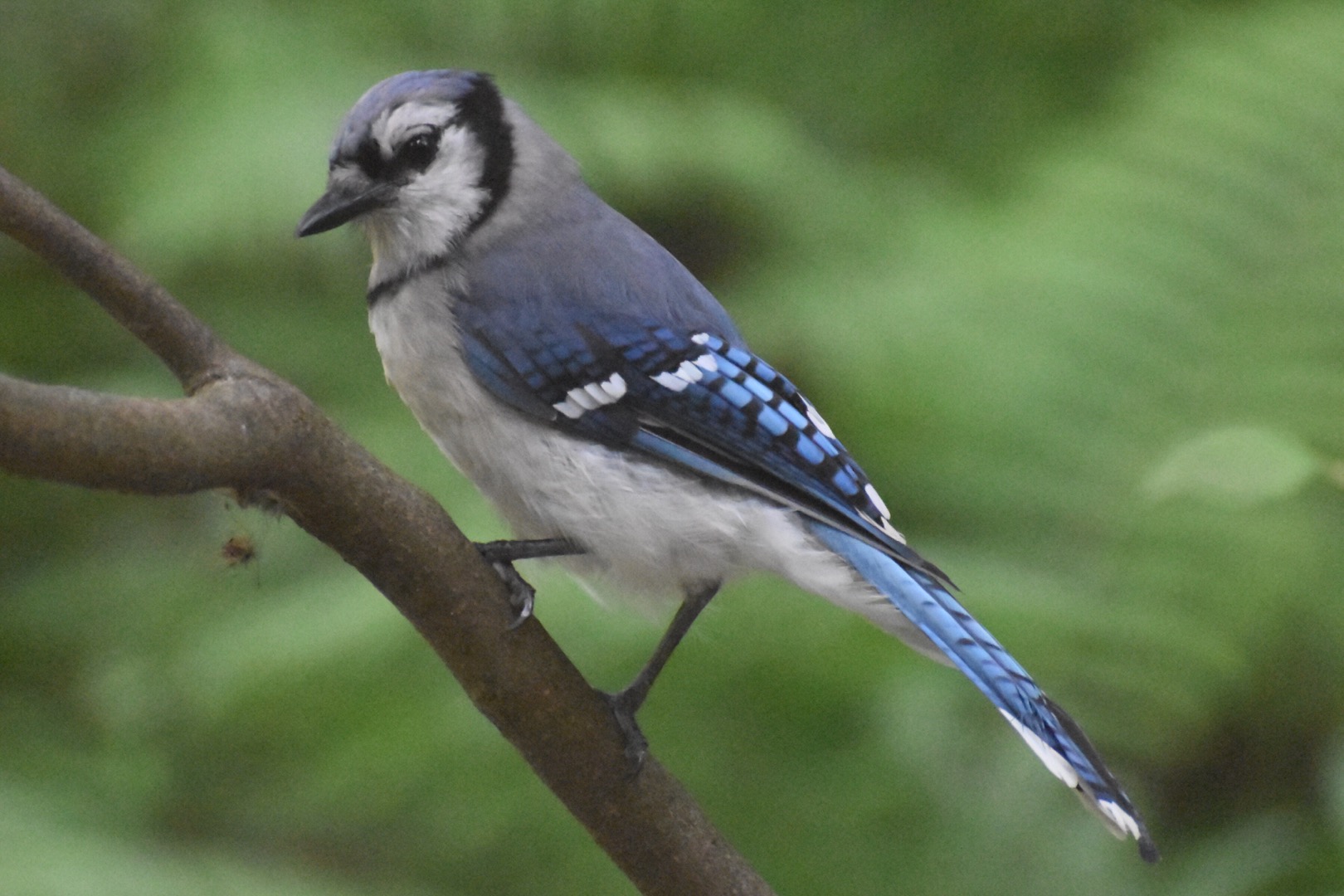
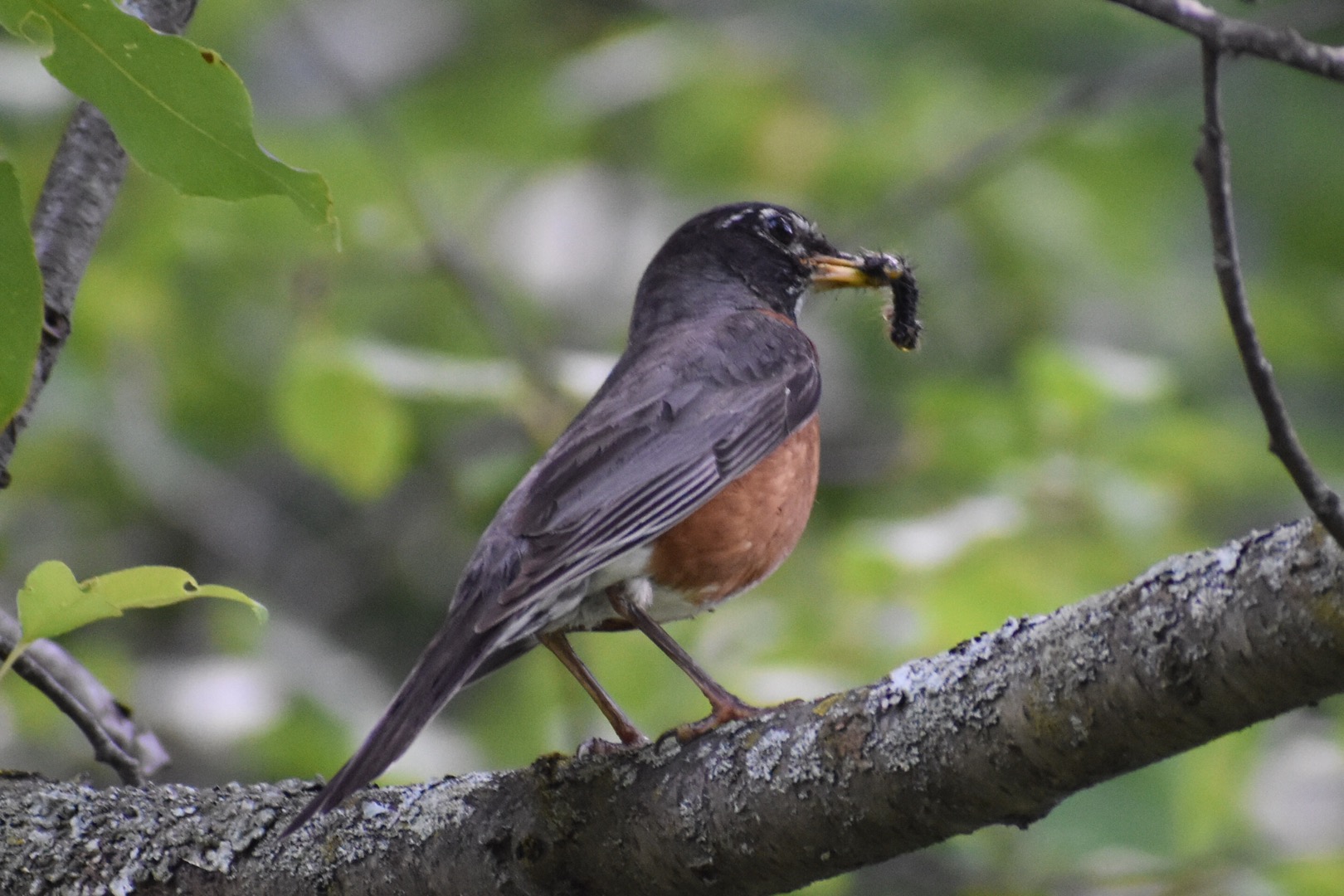
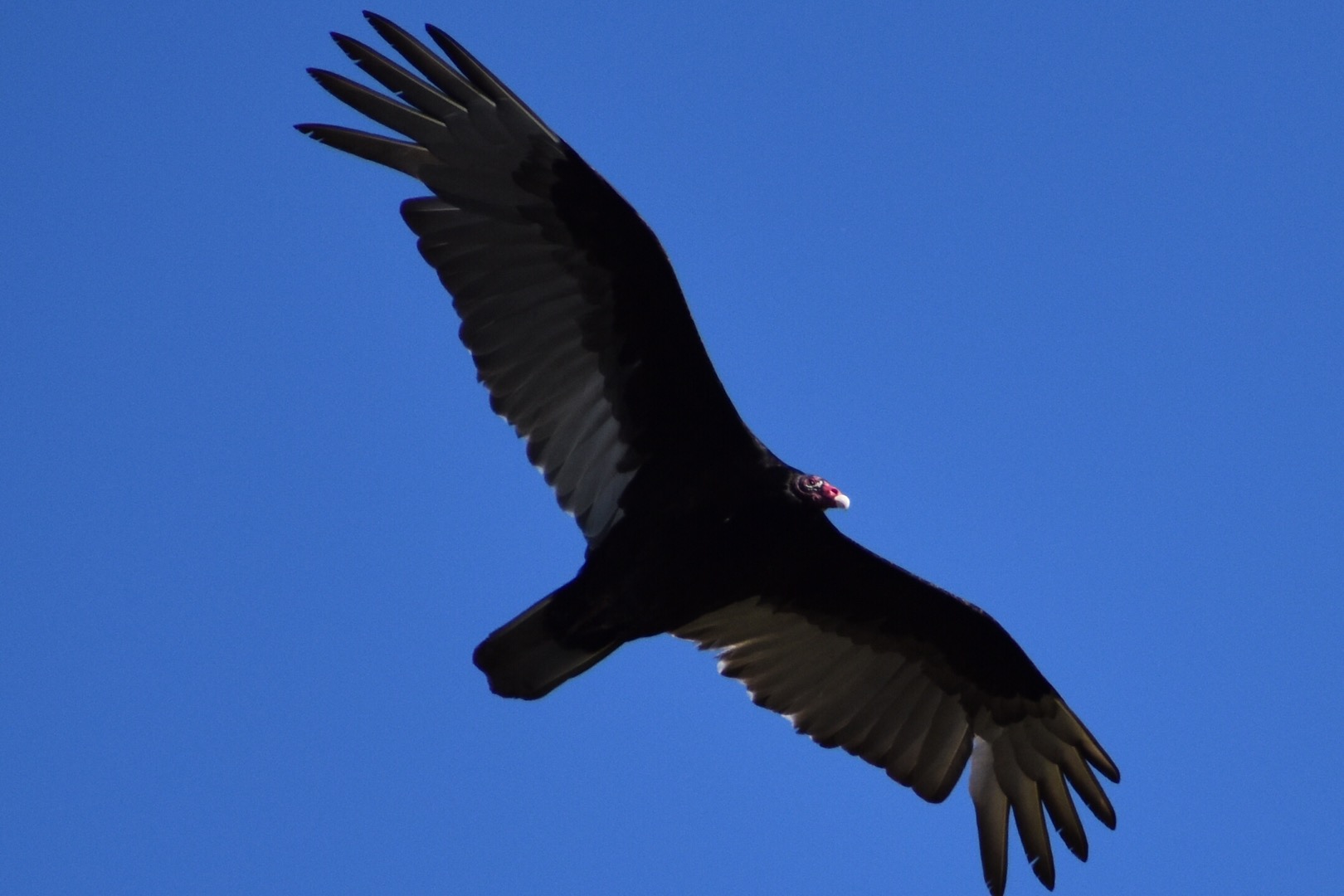
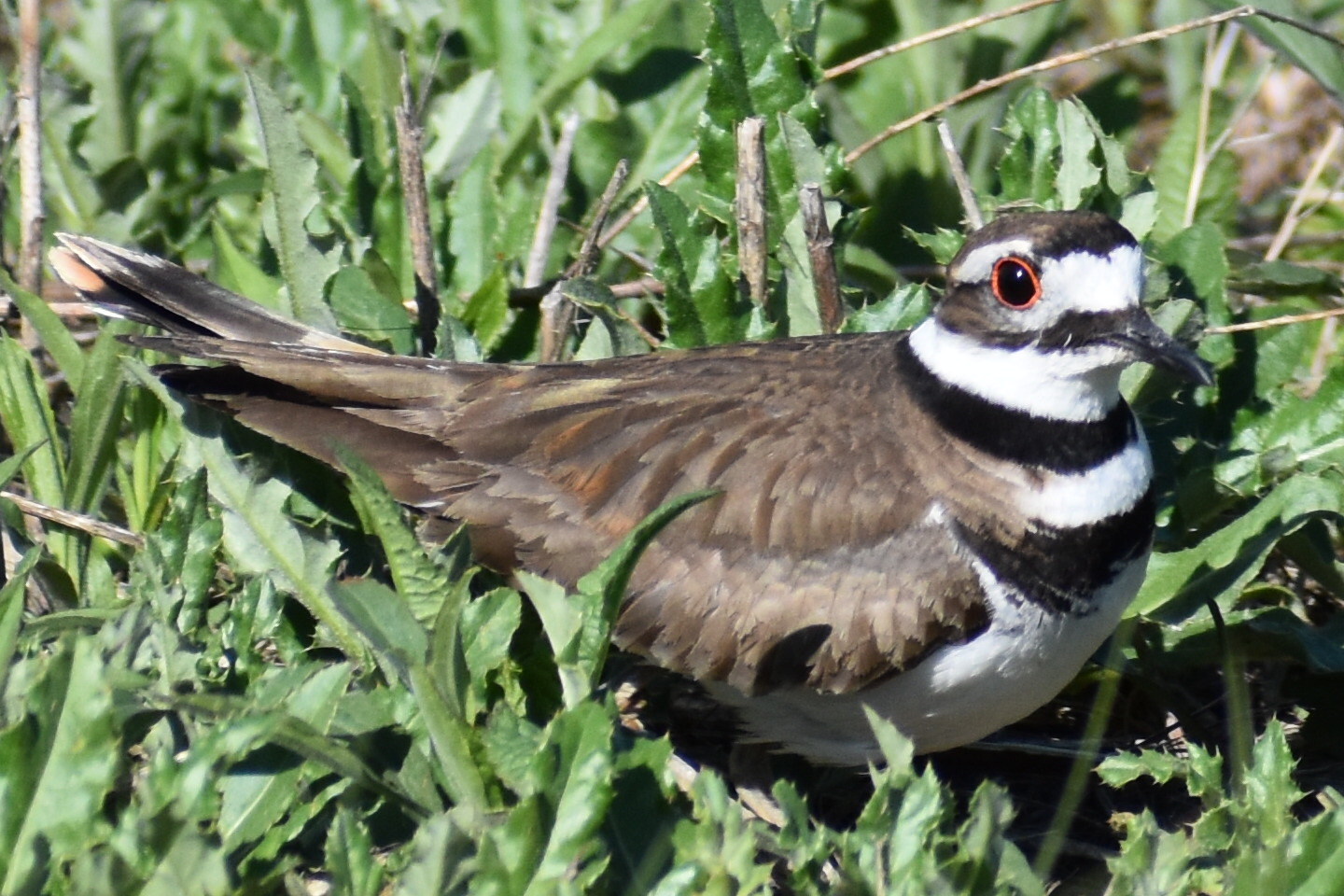
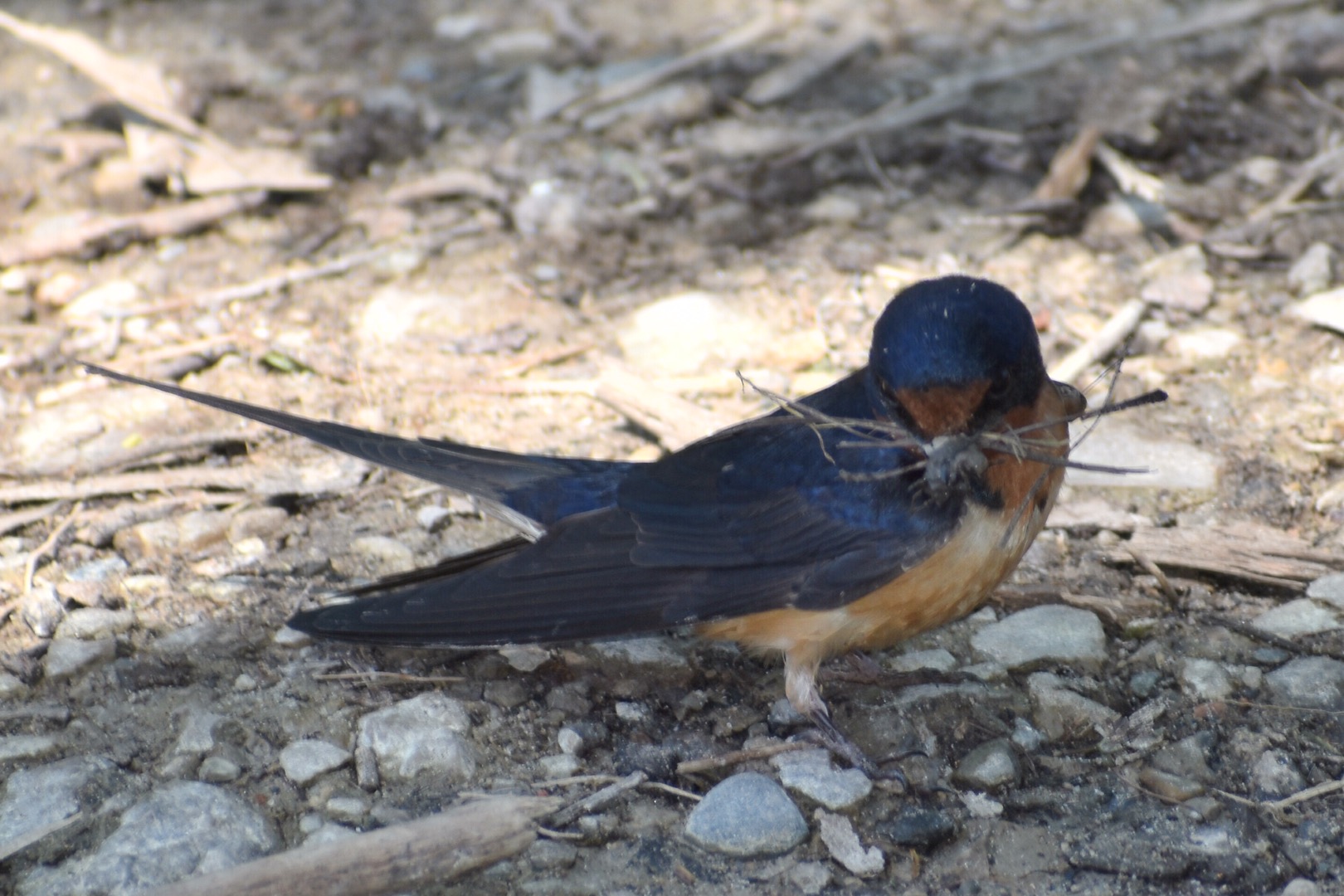
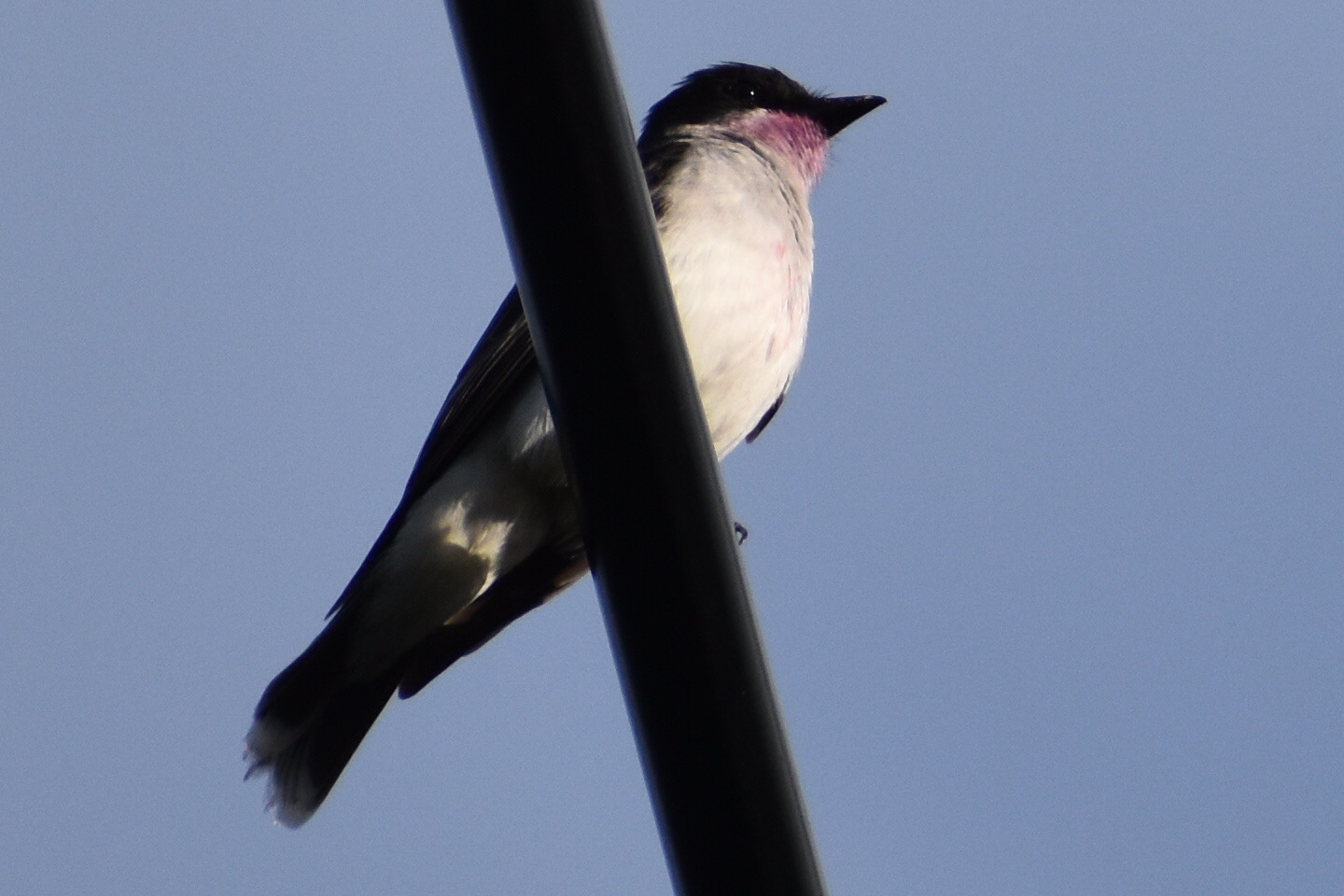

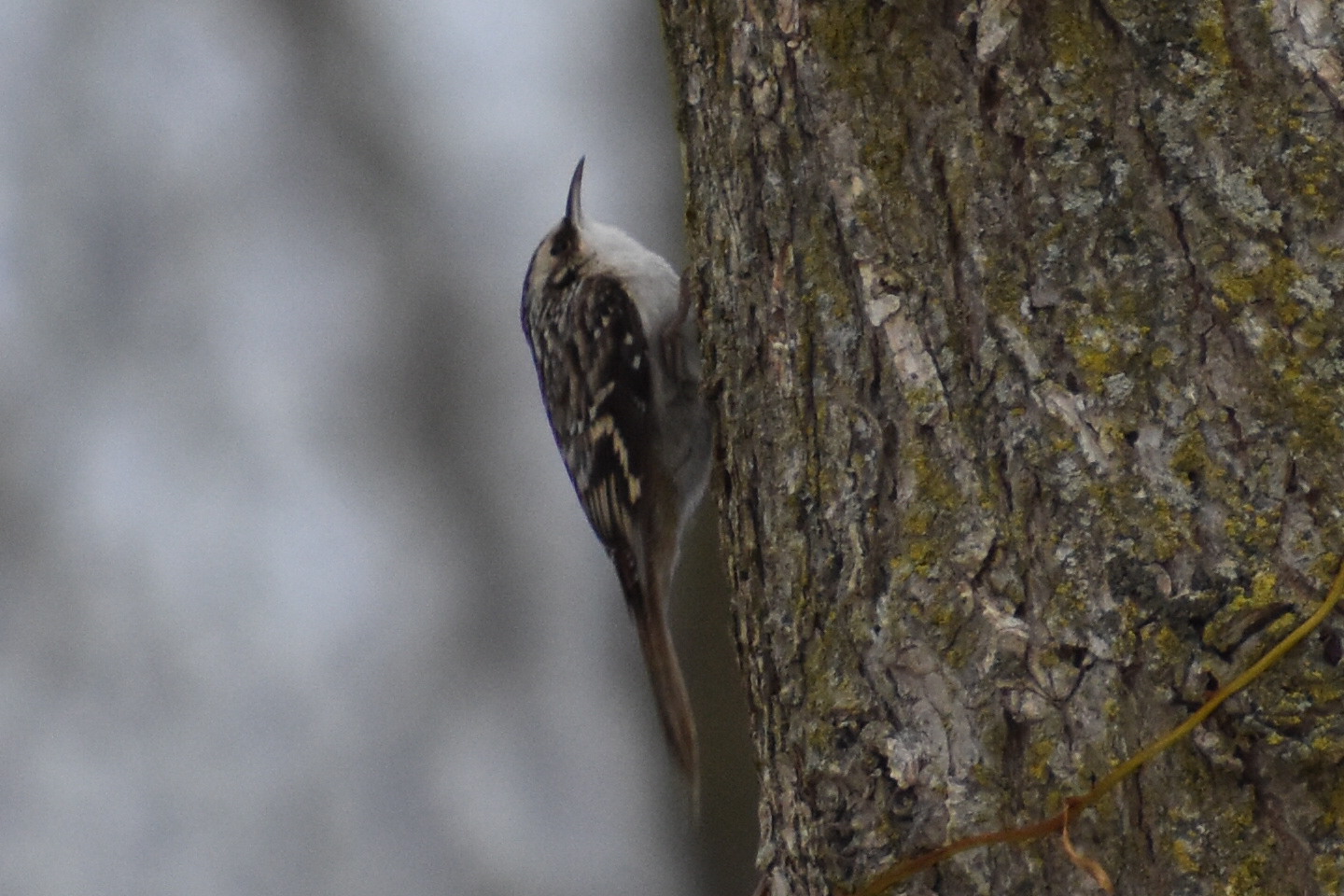
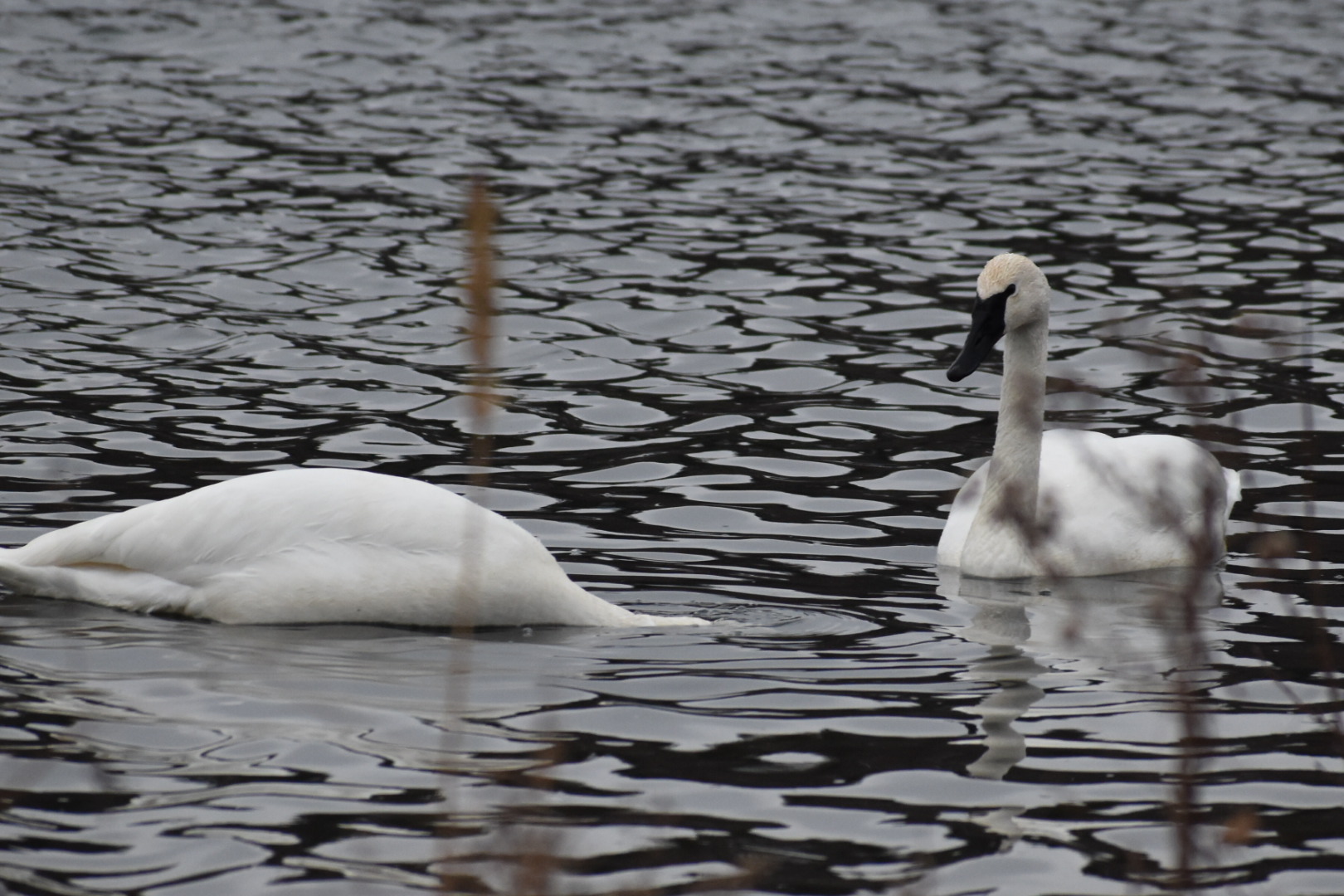
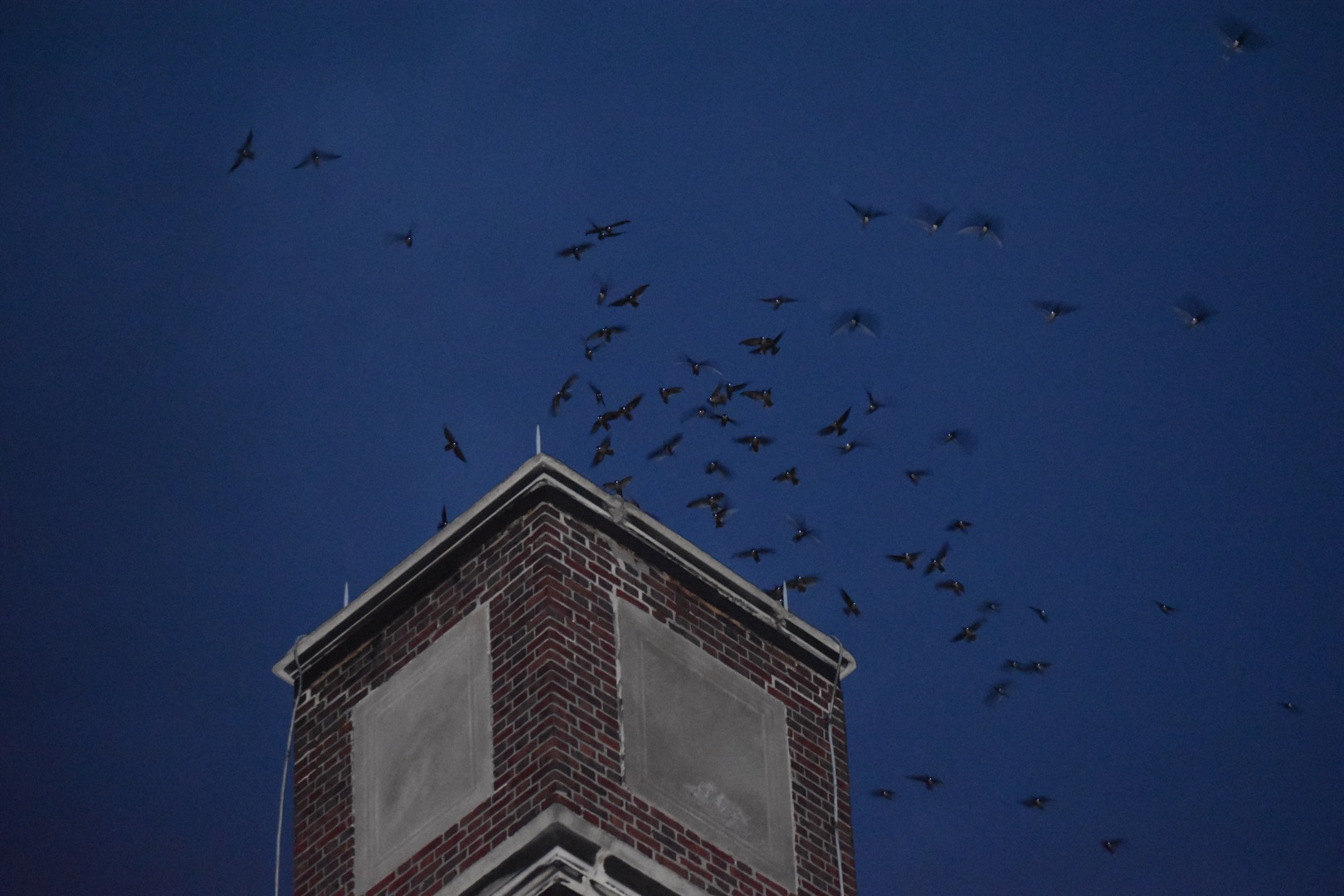
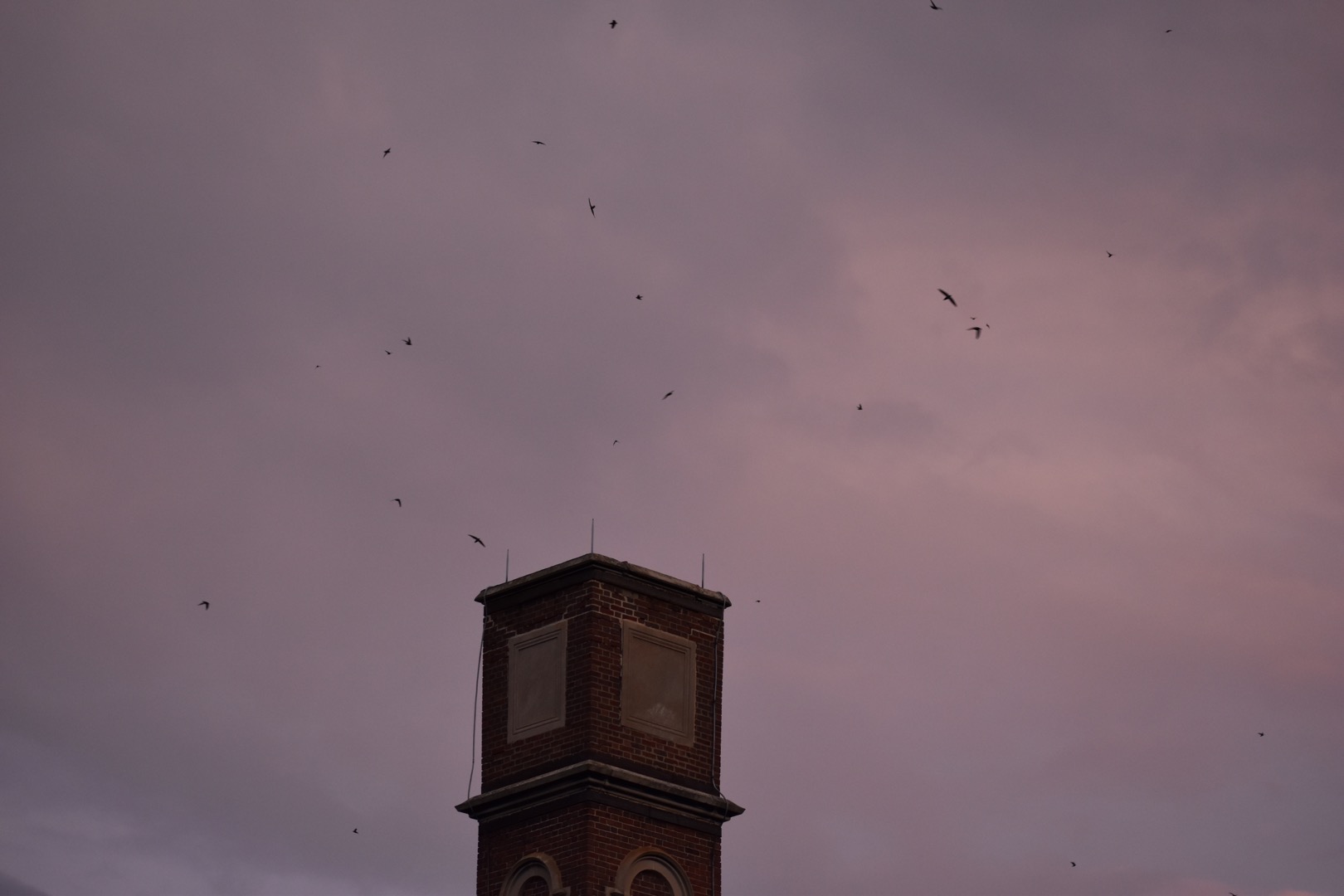
Click through some scenes of the birds, including Dickcissels, Bobolinks, Tree Swallows, and Chimney Swifts!
June-July 2019 & June-August 2021
Volunteer Research Assistant
Eastern Michigan University | Ypsilanti, MI
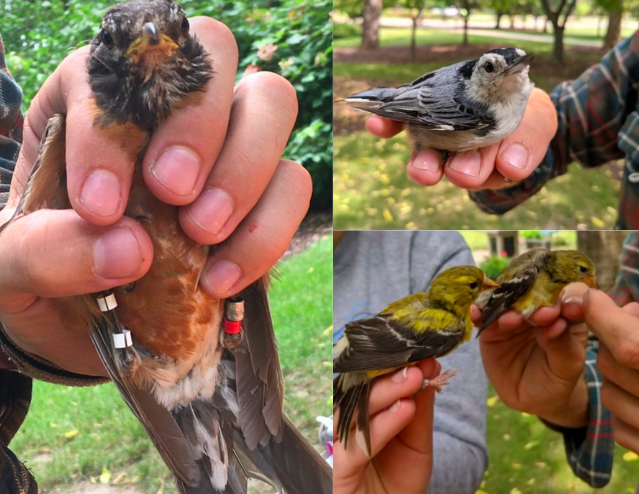
- Studied the effects of lead on urban and rural bird populations (American Robins, House Sparrows, American Goldfinches, and European Starlings) in Flint, MI in response to the Flint Water Crisis (preprint)
- Technical Skills: fieldwork (setting up mist nets, handling birds, measuring morphological parameters, and obtaining blood and feather samples) and lab work (processing serum samples and measuring lead levels)
- Mentors: Dorothy Zahor and Kenneth Glynn
- Principal Investigator: Jamie M. Cornelius, PhD
 Karinne Tennenbaum